 Sample illustration
77 m² · bay 2.57 m, 2 layers
available from 2027 · DIBt approval applied for
51,39 €/m² 3.962,29 €net plus VAT
51,39 €/m² 3.962,29 €net plus VAT

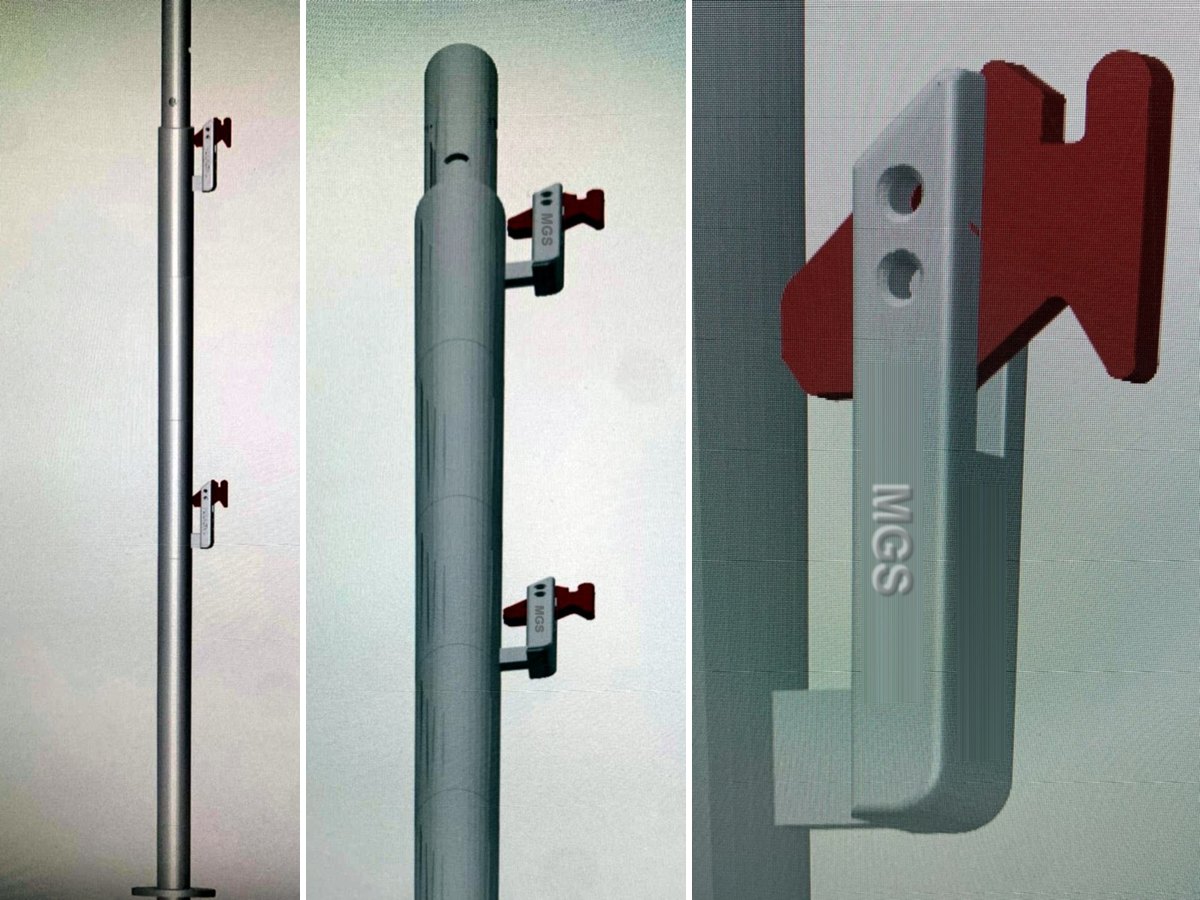
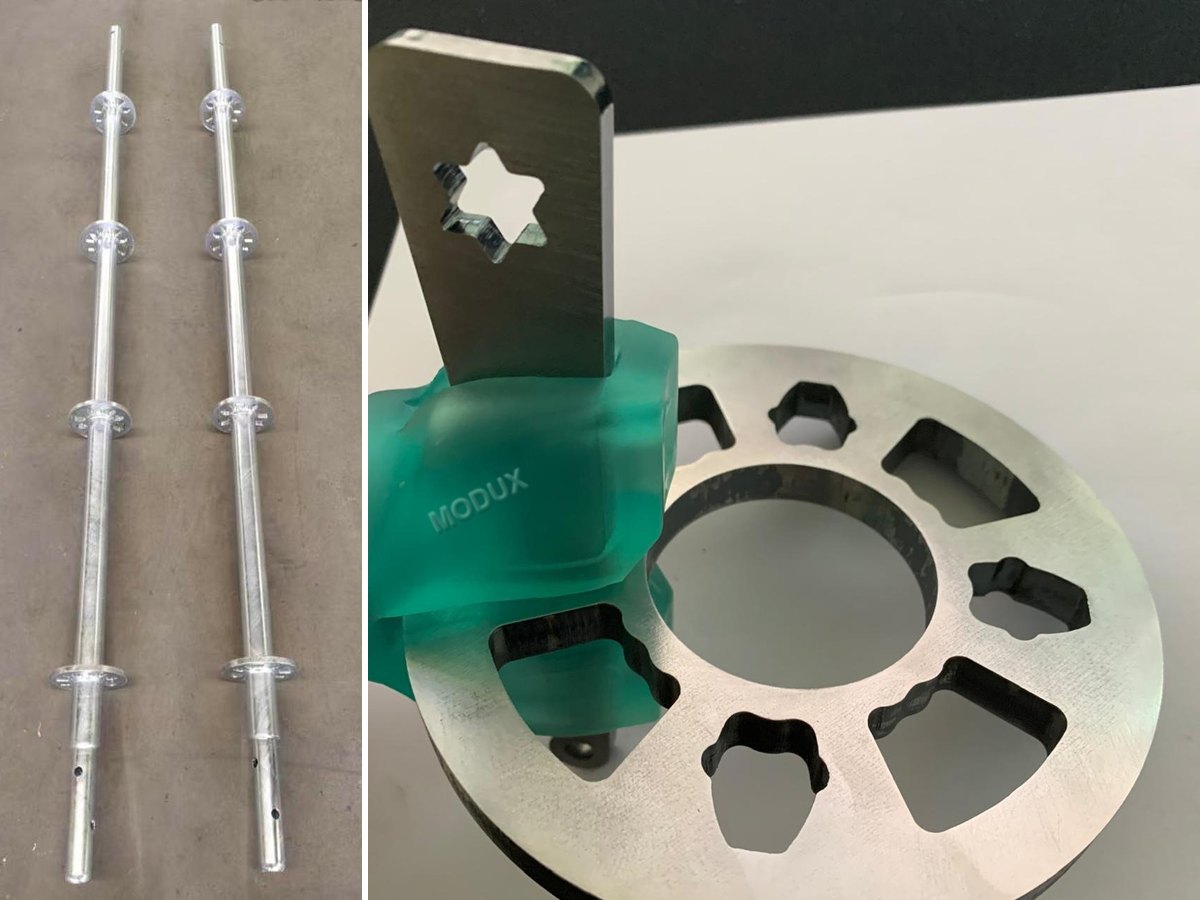
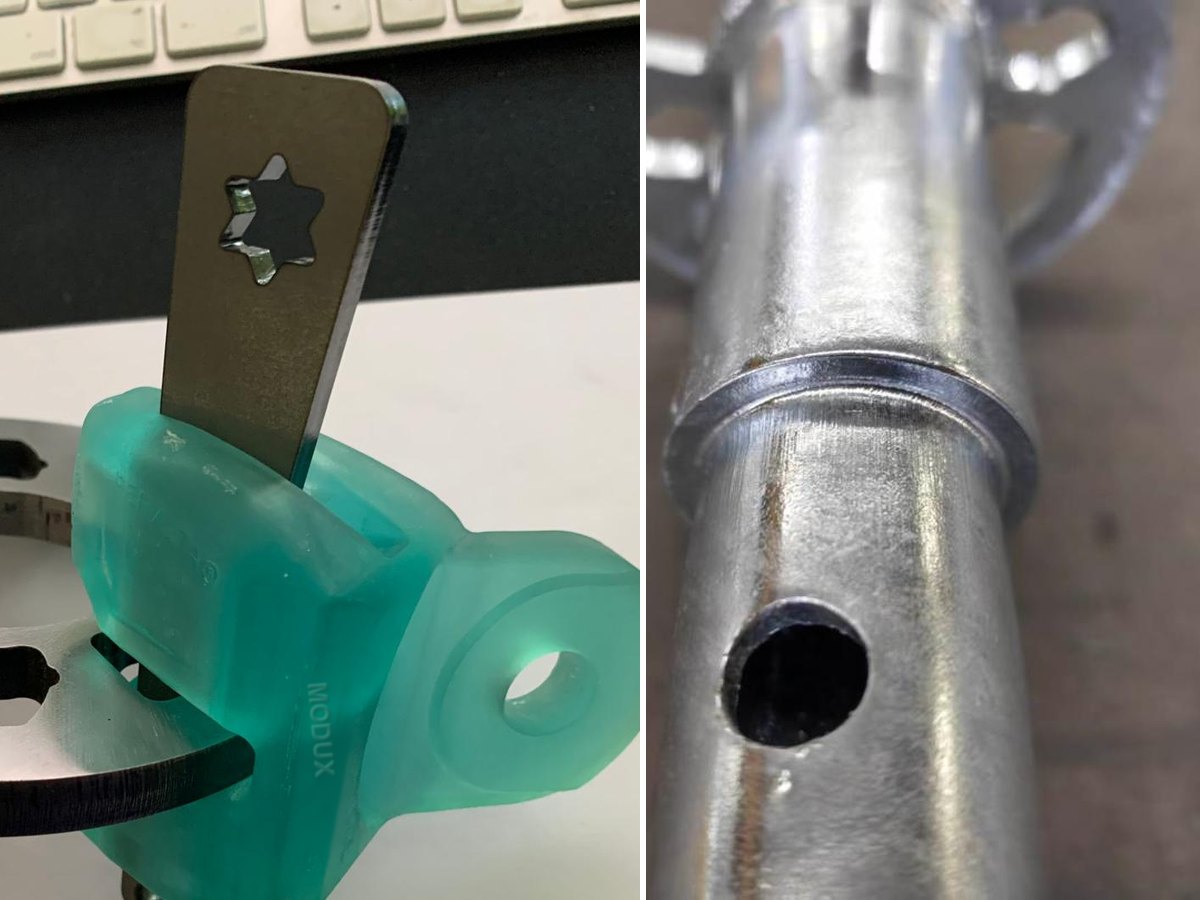
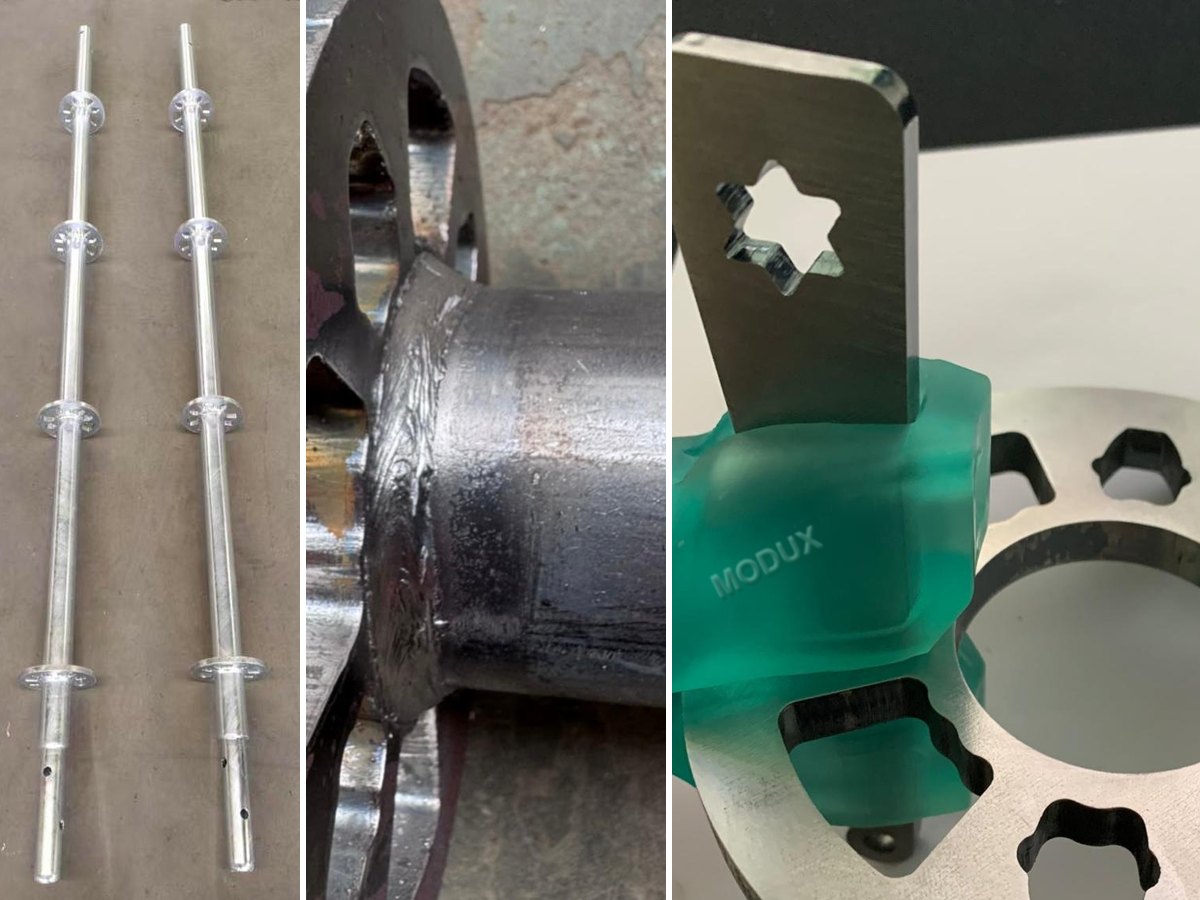
Modular scaffolding (rosette/perforated disc) for complex geometries – new as CETRAC MODUX or second-hand.
Sample illustration
 Sample illustration
Sample illustration
Sample illustration
 Sample illustration
Sample illustration
Sample illustration
Sample illustration
Sample illustration
Sample illustration
Sample illustration
 Sample illustration
Sample illustration
Sample illustration
Sample illustration
Sample illustration
Sample illustration
Sample illustration
Sample illustration
Sample illustration
Sample illustration
Sample illustration
Sample illustration
Sample illustration
Sample illustration
Sample illustration
Sample illustration
Sample illustration
Sample illustration
Sample illustration
Sample illustration
Sample illustration
Sample illustration
Sample illustration
Sample illustration
Sample illustration
Sample illustration
Sample illustration
Sample illustration
Sample illustration
Sample illustration
Sample illustration
Sample illustration
Sample illustration
Maximum flexibility for complex geometries. With over 104,000 ledgers and 45,000 diagonal braces in stock, you can build any custom structure.
Rahmengerüste sind schnell aufgebaut und ideal für gerade Fassaden, während Modulgerüste durch frei kombinierbare Knotenpunkte jede komplexe Geometrie abbilden. Wer Rundungen, Schrägen oder hohe Traglasten im Industriebereich braucht, fährt mit dem Modulgerüst besser. Für einfache, rechteckige Bauvorhaben genügt meist ein Rahmengerüst. Bei CETRAC erhältst Du beide Systeme - und auf Wunsch eine herstellerneutrale Beratung, welches für Dein Projekt das wirtschaftlichste ist.
The price of modular scaffolding depends on the area, the system and its condition. At CETRAC, second-hand modular scaffolding is up to 50% cheaper than new ones. With over 104,000 ledgers and 45,000 diagonal braces in stock at our Leipzig warehouse, we can supply even large quantities at short notice. You’ll receive a personalised quote within 24 hours.
Modular scaffolding consists of standard poles with permanently welded joints (rosettes or perforated discs), to which ledger braces, diagonal braces and specialised components can be attached at almost any angle. This allows you to erect scaffolding around round, sloping or irregularly shaped structures with millimetre precision. We explain when modular scaffolding is preferable to frame scaffolding in our guide: ‘Frame or Modular Scaffolding’.
Curves, slopes, offsets – modular scaffolding adapts perfectly.
Suitable for heavy-duty industrial applications.
A wide range of connection options, components that can be freely combined.
Layher Allround is one of the most widely used modular systems on the market. At CETRAC, you can buy inspected, second-hand Layher Allround scaffolding in a wide range of sizes – from 101 m² to over 1,000 m². Every component is checked for cracks, deformation and corrosion and complies with German safety standards.
The more complex the building, the more valuable it is to have an early discussion with the CETRAC team.
Modular scaffolding is in particularly high demand at refineries, plants and factories – where it stands out for its adaptability and safety.
Steel or aluminium cladding, depending on the load requirements.
EasyFlow supports the planning of work surfaces, access routes and load areas – even for complex modular scaffolding geometries.
This provides partners and companies with a quick and reliable basis for determining material requirements and preparing for assembly.
Are you erecting modular scaffolding on a building with irregular angles or a curved shape? With our EasyFlow scaffolding area calculator, you can work out exactly how much material you’ll need – in just a few seconds, free of charge and with no obligation, including guidance on materials and prices.
▶ Calculate scaffolding area nowModular scaffolding is particularly suitable for structures that are not rectangular or clearly structured – such as circular buildings, industrial plants, bridges, tanks or historic façades. Thanks to freely combinable connectors, even complex geometries can be safely scaffolded. You can find out when it makes sense to use modular scaffolding rather than frame scaffolding in the guide ‘Frame or Modular Scaffolding’.
Modulgerüste sind modular in alle Richtungen kombinierbar und dadurch extrem flexibel. Eine direkte Gegenüberstellung mit dem Rahmengerüst findest du im Ratgeber Rahmengerüst oder Modulgerüst?
Teilweise ja: Viele Systeme lassen sich über Adapter und passende Kupplungen kombinieren - allerdings nur mit vom Hersteller freigegebenen Bauteilen, da Maße und Lastannahmen zueinander passen müssen. Im Zweifel prüfen wir die Kombinierbarkeit für Dein System vorab. Mehr zum Systemvergleich im Ratgeber.
They require more planning, but in return offer the greatest flexibility. Trained staff can erect modular scaffolding very efficiently. Our guide, ‘Erecting Scaffolding Correctly’, summarises the key points to bear in mind during erection.
Steel decking is typically used for heavy loads, whilst aluminium decking is used where a lighter weight is required. Our guide, ‘Choosing scaffolding decking – wood, steel or aluminium?’, explains which type of decking is suitable for which purpose.
Although the materials involved are more complex, the benefits they offer when working with intricate geometries often make this the most cost-effective solution. Anyone looking to make further savings will find helpful advice in the guide ‘Second-hand scaffolding vs. new scaffolding’.
Looking for scaffolding? We offer free, no-obligation advice – in German, English, French, Spanish, Russian, Ukrainian, Turkish and Hungarian.