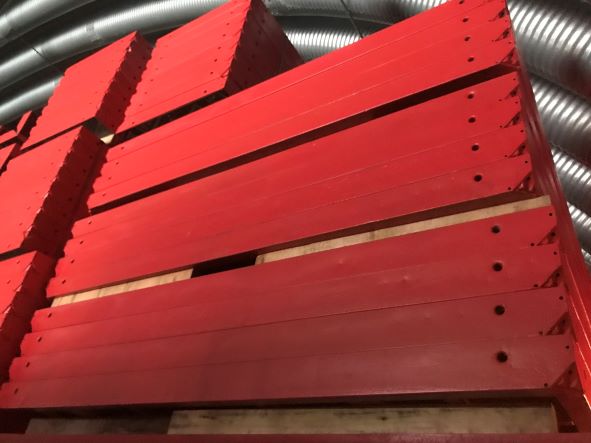
Peri Trio 270
ex stock Leipzig
20.000,00 €net plus VAT

Wall, slab and circular formwork from Doka, PERI, Hünnebeck & Co.: as a complete package, single parts or lots. Every item with a quality grade, inspection on site or by video possible.
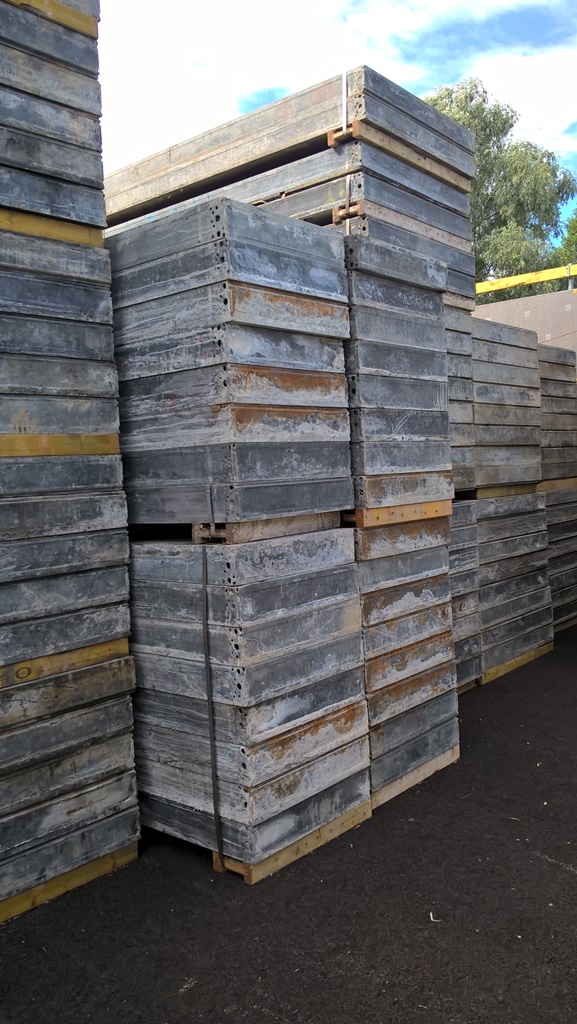
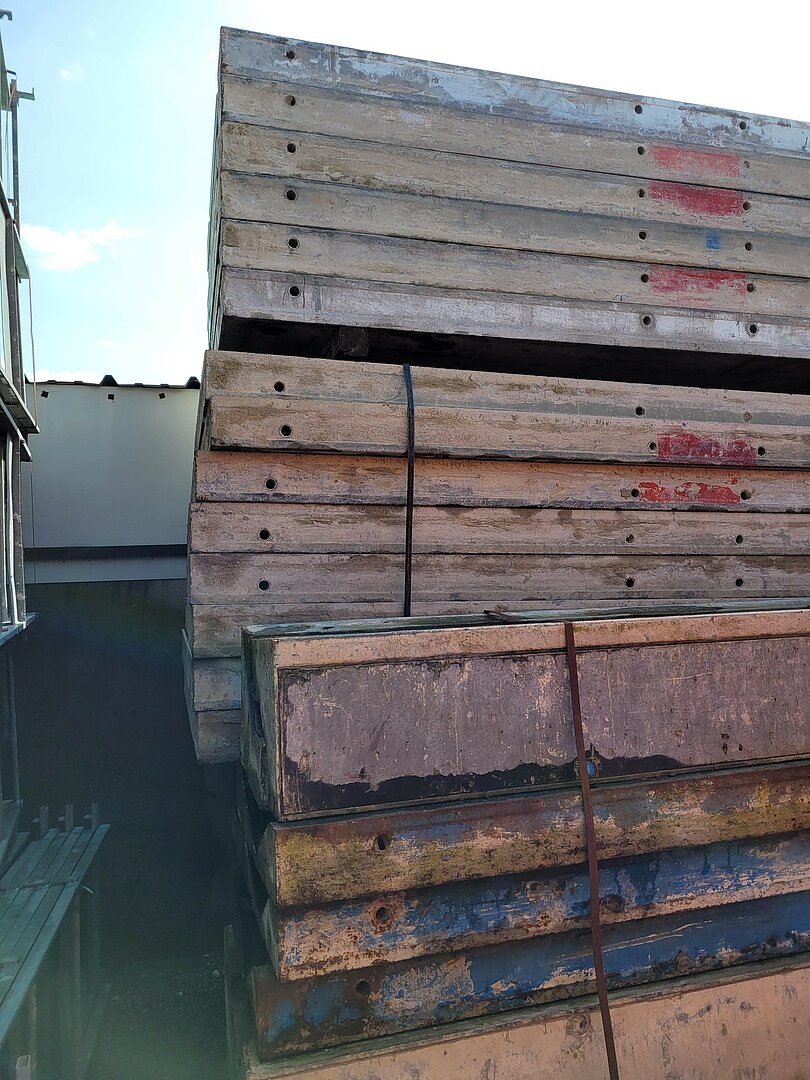
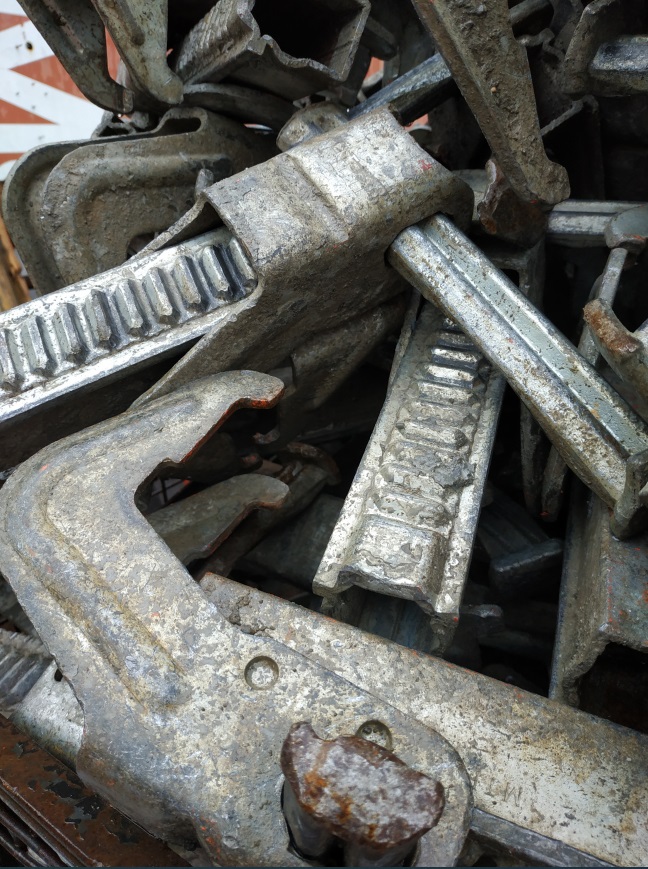 Similar to the illustration
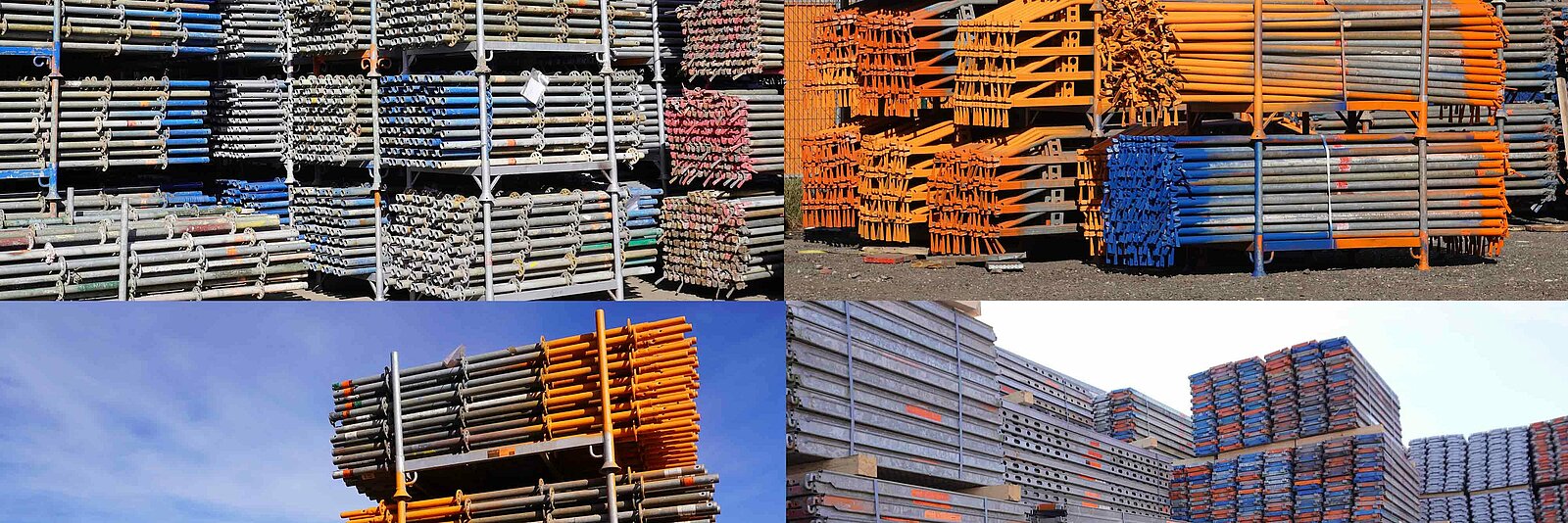
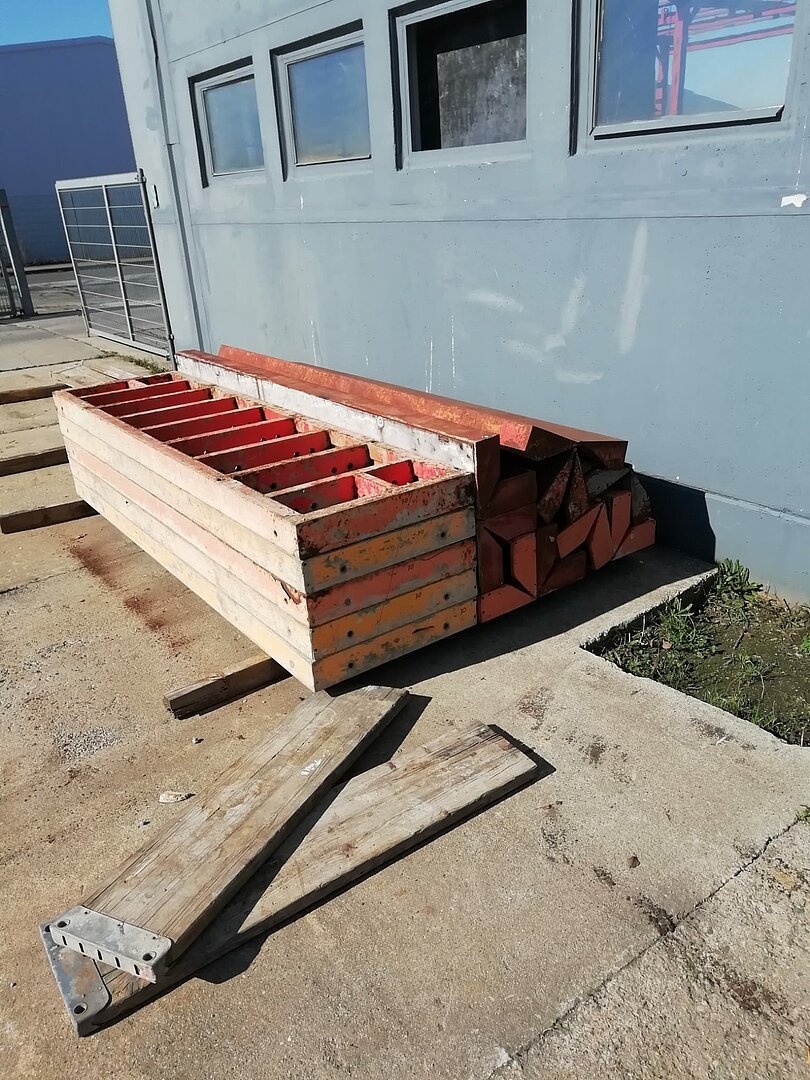
 Similar to the illustration
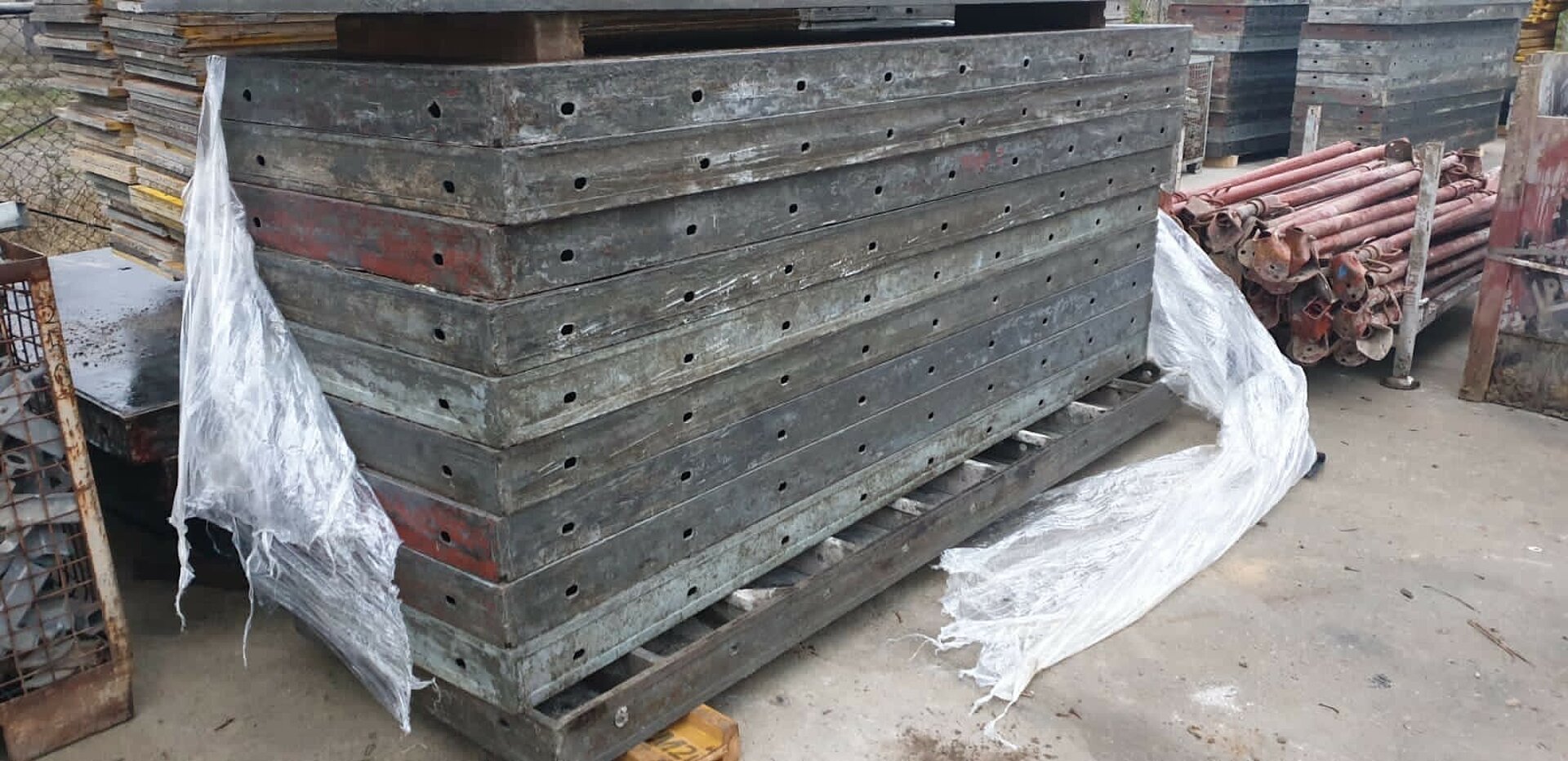
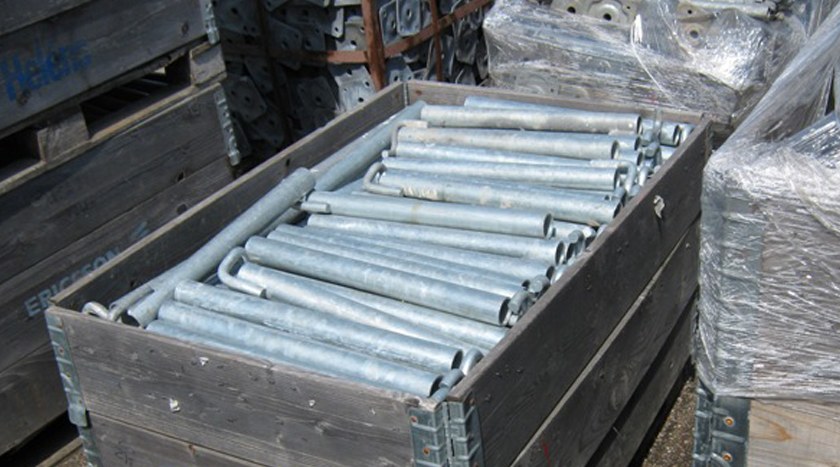 Illustrative image
Wall formwork is one of the key systems in concrete construction. Working efficiently in this area not only reduces costs but also improves the quality and speed of execution. Modern wall formwork must be strong, modular, easy to combine and reliably available – and that is precisely where we come in.
For construction companies, structural contractors and formwork firms, flexible wall formwork systems are crucial for carrying out projects in a structured, safe and timely manner.
Modern wall formwork is designed to safely withstand high pressures from fresh concrete. This ensures clean concrete surfaces and minimises the need for rework – a clear advantage for projects requiring exposed concrete or involving thick walls.
Whether large-scale frame formwork, hand-guided elements or combinations for complex geometries: wall formwork systems can be quickly adapted to different wall heights, lengths and floor plans.
Thanks to intelligent formwork systems and well-designed components, teams can form and strip walls more quickly – ideal for tight schedules, mass production and demanding structural shell projects.
Modular wall formwork systems with steel or aluminium frames.
Flexible formwork comprising timber/composite beams and formwork sheeting.
For internal walls, refurbishments and smaller structural elements.
For high walls and repeated concrete pouring sections.
For curved, specialised or architecturally complex wall geometries.
Our international team, comprising staff from warehousing, sales, marketing, logistics and development, ensures that wall formwork is reliably available, transparently documented and professionally managed.
With EasyFlow, our digital scaffolding area manager, we are simultaneously developing tools to provide digital support for formwork processes in future – powered by CETRAC.
There is no set price – the cost depends on the system, wall area, design and condition of the materials. The biggest difference is whether you buy new or second-hand: at CETRAC, you can get certified second-hand wall formwork for up to 70% less than new, with transparent prices and no hidden costs.
The quickest way to work out your exact material requirements – and therefore your costs – is to use the EasyFlow configurator. Our ‘Buy or Rent’ comparison will show you whether buying or renting is the better option for you.
That depends on how often you use formwork. For construction companies that are regularly on site, buying is almost always worth it – second-hand equipment often pays for itself after just a few jobs, and you build up your own fixed assets with genuine resale value. For one-off or very short-term projects, hiring may be the more flexible option.
With our ‘Buy vs Rent’ calculator, you can see straight away when the investment will start to pay off for you. You can find an overview of all the systems in the formwork overview.
You need wall formwork wherever vertical concrete structures are being built: load-bearing and non-load-bearing walls, columns, piers, shafts, lift shafts or external basement walls. The formwork gives the fresh concrete its shape and withstands the high internal pressure of the fresh concrete until the structural element has set.
Depending on the project, frame formwork is used for straight surfaces or beam formwork for irregular shapes. You can find an overview of our full range in the formwork overview.
Yes – and that is precisely what makes them so cost-effective. High-quality frame formwork can be reused several hundred times if well maintained. The key factors affecting its service life are the frame material (steel is more robust than aluminium) and the condition of the formwork skin, which, as a wear part, can simply be replaced when necessary.
Second-hand systems are therefore an attractive option: you make significant savings compared with buying new equipment, without compromising on performance. Whether it’s better for you to buy or hire depends mainly on how often you use the equipment.
Frame formwork consists of prefabricated steel or aluminium frames with formwork panels already integrated. It is quick to assemble, robust and ideal for straight, repetitive wall surfaces – the first choice in traditional building construction.
Beam formwork, on the other hand, is assembled individually from beams, stringers and formwork panels. This makes it more flexible for special heights, exposed concrete and unusual geometries, but requires more planning and assembly work. Rule of thumb: frames for speed and standard dimensions; beams for flexibility and sophisticated finishes.
Beide Varianten und weitere Systeme findest Du im Schalungs-Sortiment.
Yes. In many projects, straight walls meet curved structural elements – for example, in tanks, stairwells or curved façades. Provided that the connection points and anchor grids are carefully coordinated during the planning stage, circular formwork and wall formwork can be combined without any problems.
It’s important that the systems are compatible with one another. If you’re unsure which components are compatible, we’ll be happy to help you choose.
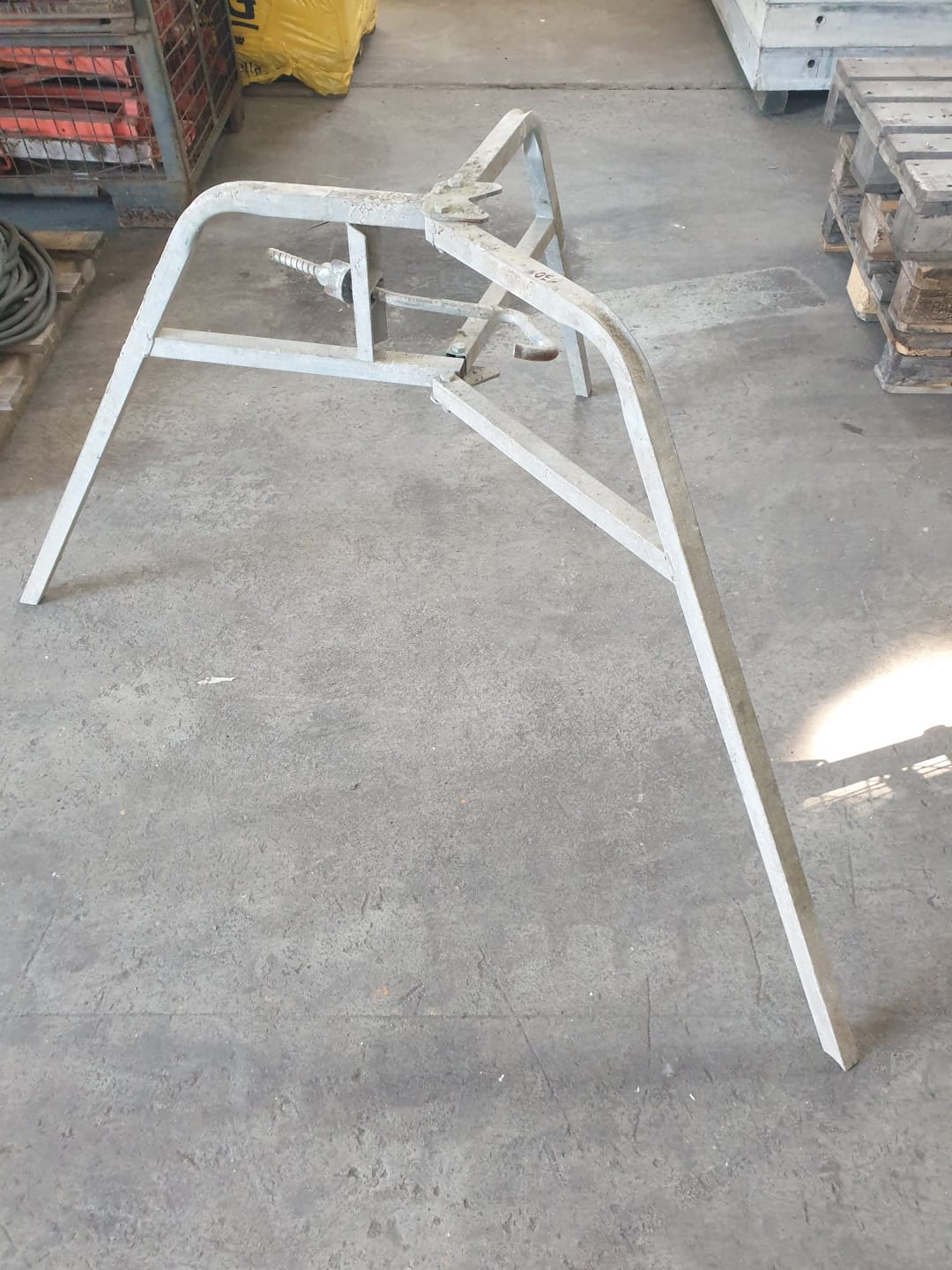
Generally speaking, yes. Alignment or levelling props keep the formwork vertical and prevent it from tipping over, as well as protecting it from wind and the one-sided pressure of the concrete during pouring. They are essential for safety and dimensional accuracy, particularly with single-sided formwork or taller walls.
Die benötigte Anzahl richtet sich nach Wandhöhe und -länge. Den konkreten Materialbedarf für Dein Projekt kannst Du direkt im EasyFlow-Konfigurator ermitteln.
Very important – the formwork lining is the surface that comes into contact with the concrete and has a significant influence on the final finish. An intact, smooth formwork lining ensures clean exposed concrete surfaces, whilst worn panels can leave marks, pores or discolouration.
As the formwork lining is a wear part, it can be re-lined or replaced without you having to replace the entire frame straight away. For high-quality exposed concrete surfaces, a newly lined formwork lining is worth the investment; for less critical components, second-hand material is often sufficient.
You can find out how we fit used formwork frames with new formwork sheeting in the Doka Formwork section.
Looking for scaffolding? We offer free, no-obligation advice – in German, English, French, Spanish, Russian, Ukrainian, Turkish and Hungarian.