 Sample illustration
77 m² · bay 2.57 m, 2 layers
available from 2027 · DIBt approval procedure not yet completed
51.39 €/m² 3,962.29 €net plus VAT
The star of the show when it comes to leading guardrails – you can’t get any faster than this.
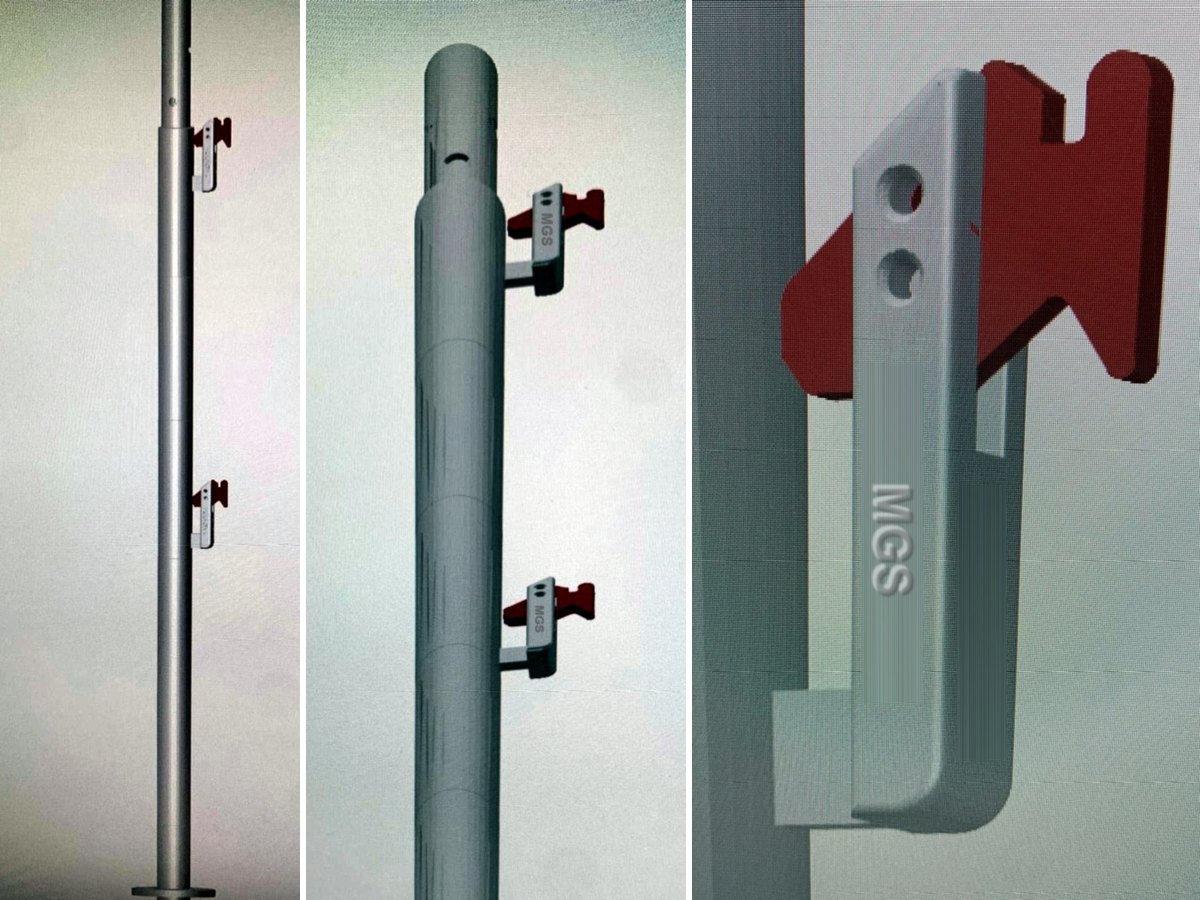
MGS replaces the traditional frame scaffolding: legs instead of a frame, with an advance guardrail on the inside and outside. Favourite: MGS-A with tilting lock quick-release fastener (patent pending), alongside the MGS-K with a tilting pin. Decking, brackets and accessories remain in use – only the frames, guardrails, diagonal braces and toe boards are replaced.
Approval is expected in the foreseeable future – a plus for Germany; in most other countries it is not required. Until then in Germany: individual proof of stability – we will advise you.
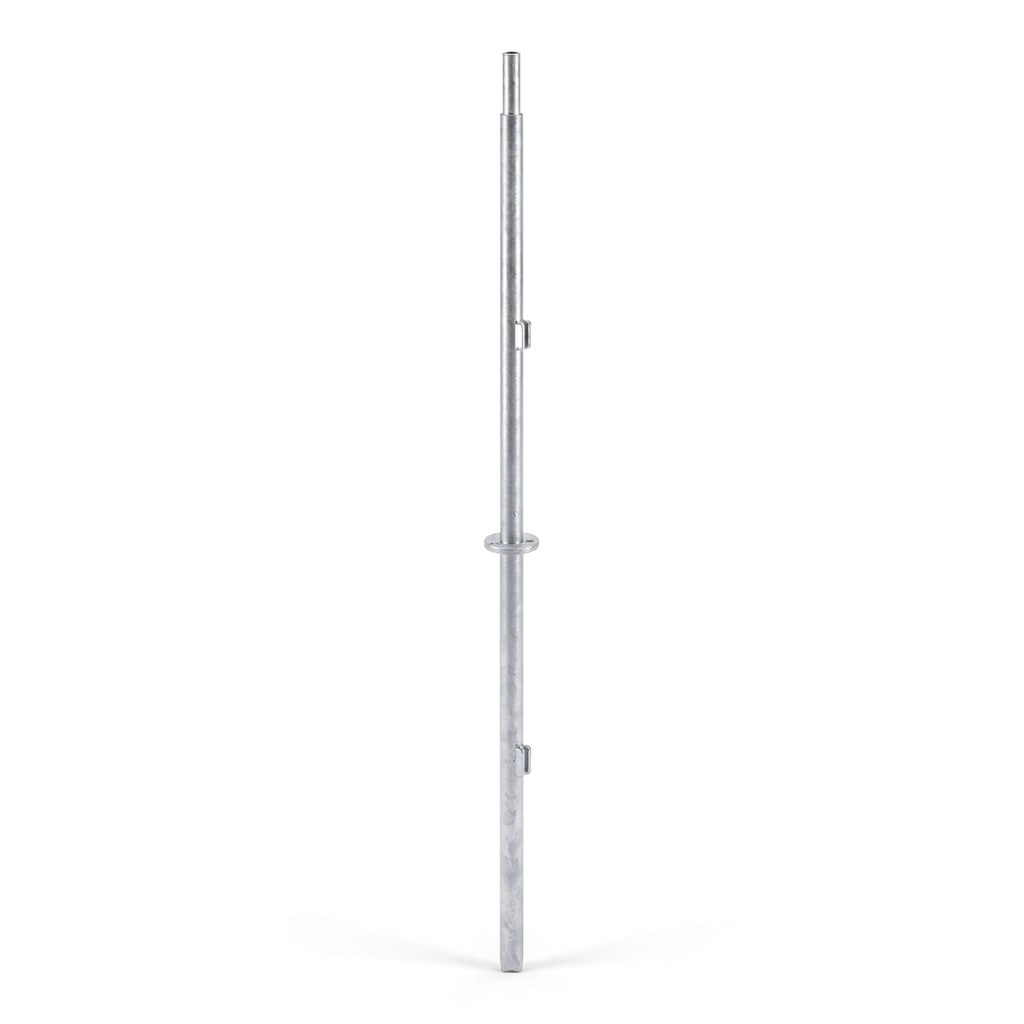
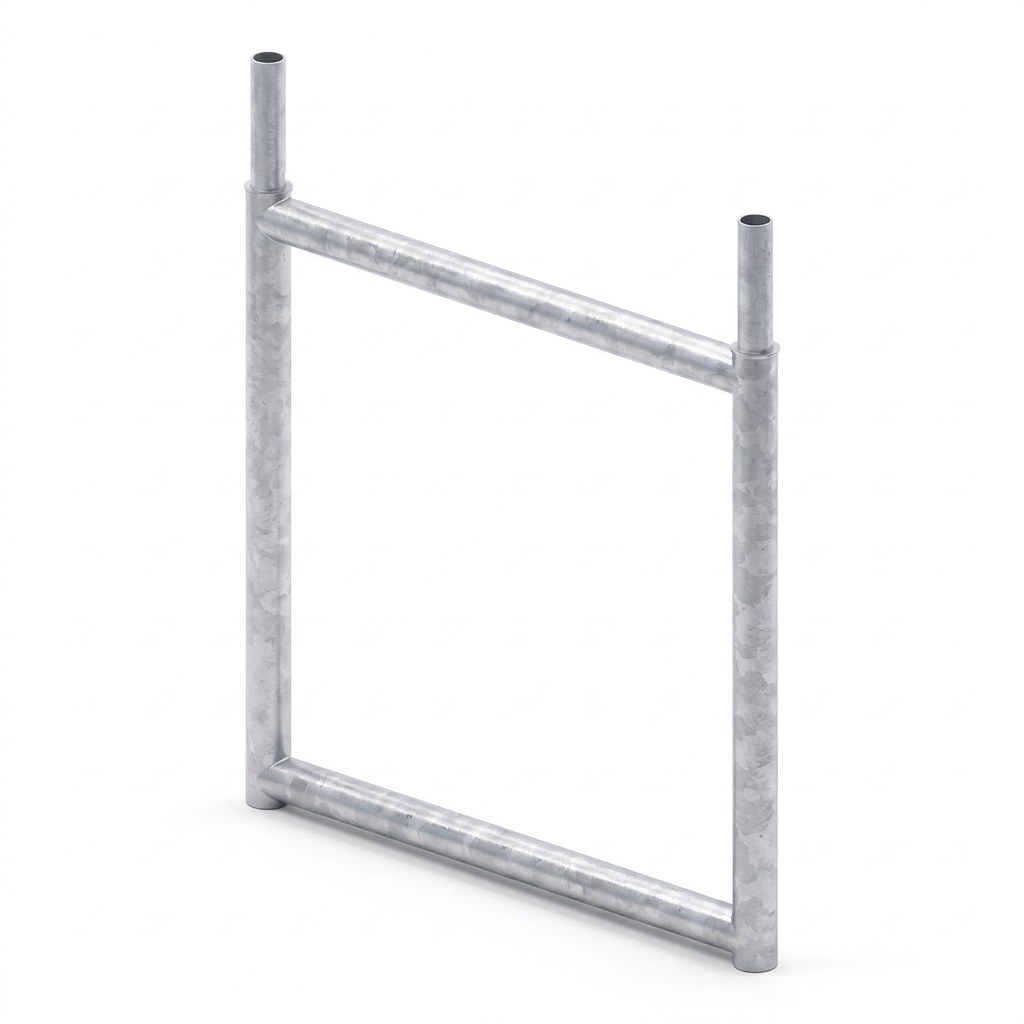
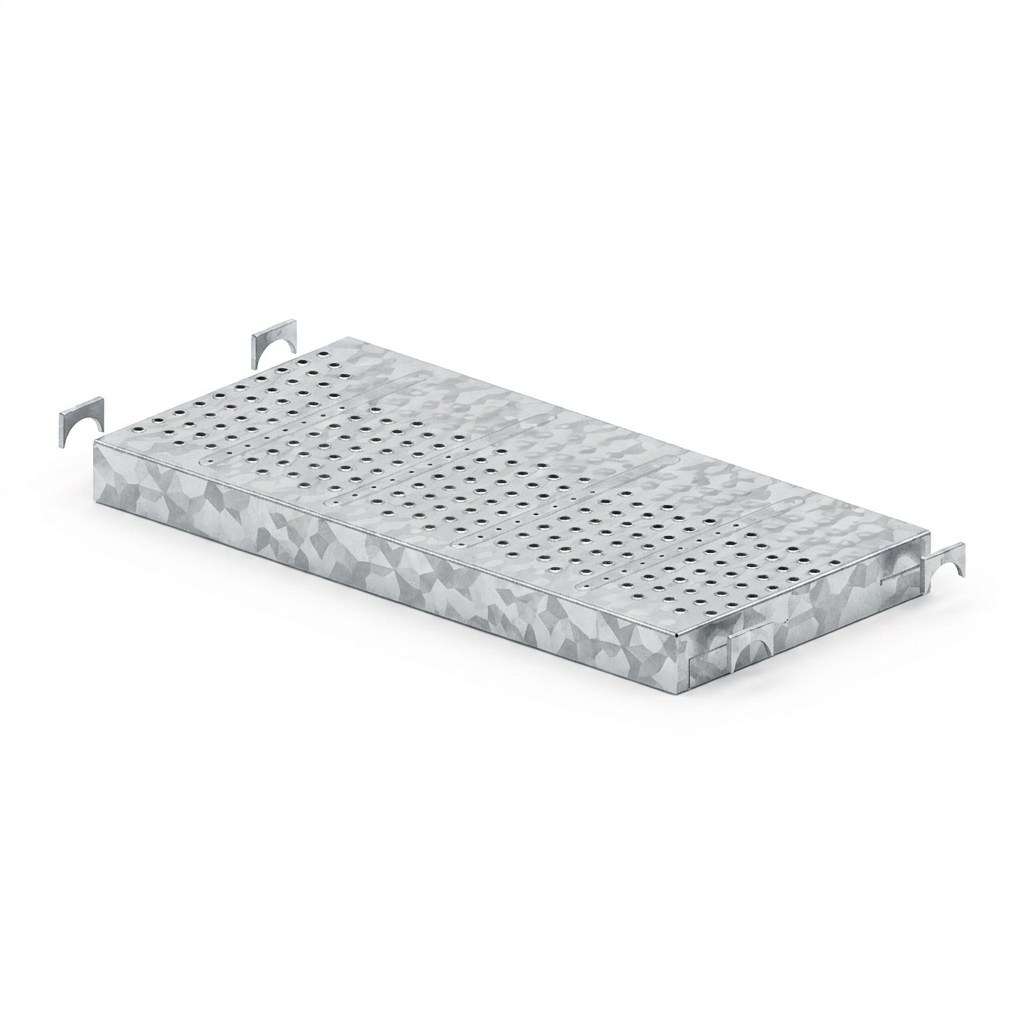
Schematic illustration based on catalogue dimensions; details may vary.
We were able to secure Eisenberger Gerüstbau GmbH as our first client: there, a total of at least 400,000 m² of facade scaffolding will be replaced with the MGS-A system.
Nico Labes, the managing director of Eisenberger Gerüstbau GmbH, was immediately impressed by the MGS-A quick-release fastener. In his view, it is the best system with a leading guardrail currently available on the market.
In Germany and Europe, frame scaffolding has been used on building façades for decades, usually in widths of 0.70 or 1.00 metres. During assembly and dismantling, the scaffolder stands on a level that does not yet have any side protection.
The current health and safety regulations therefore require an advance guardrail: the guardrail for the next level must be installed from below before anyone steps onto it. With traditional frame scaffolding, this is only possible with additional components.
MGS is designed for this purpose. Instead of a frame, it has two uprights, with the guardrail running along the inside and outside. MGS therefore essentially replaces the frame scaffolding – providing the same façade work, but with side protection right from the start.
Facade scaffold and modular scaffold in one: MGS is used on facades like a frame scaffold, but is built in modular design – standards, ledgers and guardrails instead of frames.
You keep decks, brackets and accessories – we take frames, guardrails, diagonals and toe boards in part exchange: 1 frame for 1 MGS standard, guardrails 1:1, every two used diagonals or toe boards for one new part.
First-time customer offer: For the first 25 customers to place an order, we’ll only charge for the additional parts – 24 places still available.
How the exchange works ›The star of the show when it comes to leading guardrails – you can’t get any faster than this.
Also available with metric guardrails: We also replace frame scaffolding from Plettac, Hünnebeck or Rux. A solution for every system ›
Place the guardrail over the tilting lock and let it drop down – that’s it. No fastening, no threading. When dismantling, the guardrail is simply lifted slightly from the standard that is still standing and removed – without operating the tilting lock. The metal, self-locking tilting lock (patent pending) saves assembly time for every bay, both during erection and dismantling. That’s hard cash for the scaffolder. Bay lengths 0.73 – 3.07 m or metric 0.74 – 4.00 m.
The tilting lock is made of stainless steel and painted red; the guardrail receiver – the bracket – is made of malleable cast iron, the same material as scaffold couplers. This is how we combine durability with the highest quality.
Proven tilt-pin connection on the guardrail standard with the so-called “hook-on guardrails”: the guardrail is coupled to the upper tilt pin and fitted in advance with the next standard. Standard-size spigots – frame and modular scaffolds can be attached at any time. Slower than MGS-A when hooking in and out, and dismantling runs opposite to the direction of erection.
| MGS-A · tilting lock | MGS-K · tilting pin | |
|---|---|---|
| Lock on the standard | Tilting lock: red-painted stainless-steel latch in a malleable-cast-iron bracket – lay the guardrail in from above, the lock secures itself. Every standard has two tilting locks and one perforated disc. | Tilting pin: a pin on the guardrail standard to which the “Bärchen” guardrail is coupled – a different component from the tilting lock. |
| Tube connectors | In standard dimensions – conventional frame and modular scaffolding can be attached and combined at any time. | In standard dimensions – conventional frame and modular scaffolding can be attached and combined at any time. |
| Removing and installing guardrails | Lift out any guardrail individually upwards at any time – without operating the tilting lock. | The guardrails overlap in the direction of erection and are unhooked via the tilting pin at a specific angle – this takes longer. |
| Direction of erection and dismantling | Free – erect and dismantle in any direction, and even open individual bays in between. | Dismantling in the opposite direction to erection: the guardrail installed last must come out first – inherent to the system and cannot be solved otherwise. |
Both MGS variants stay within the standard range. The difference is the lock: the tilting lock quick lock (patent pending) is the best lock in our range – faster to erect and dismantle and without a fixed sequence.
Both options work with your existing materials: you can keep your decks, brackets and accessories. Only the frames, guardrails, diagonal braces and toe boards are replaced. For Plettac and Rux frame scaffolding, the standard pole is also available with a tilting lock – in which case you can continue to use your existing diagonal braces.
With the tilting lock quick-release fastener, the guardrail is simply placed over the tilting lock from above and allowed to drop into place. It locks securely in place straight away – no fastening, no threading, no tools required.
When dismantling, the fitter stands one level lower and cannot reach the upper tilting lock – nor does he need to: he lowers the first standard arm – the opposite movement to that used during assembly – and removes the guardrail by its tilting lock. At the other end, where the standard is still in place, he lifts the guardrail slightly and removes it – without operating the tilting lock. Of course, if you prefer, you can also remove the guardrail at any time by lifting the tilting lock.
This means that the advance guardrail moves along bay by bay in a single pass – both during assembly and dismantling. Every second saved per bay adds up to hours on the building site.
Video with no sound. The version shown is currently undergoing the approval process.
The video compares the three solutions on the market and shows how to switch your frame scaffolding to MGS-A.
Video with subtitles.
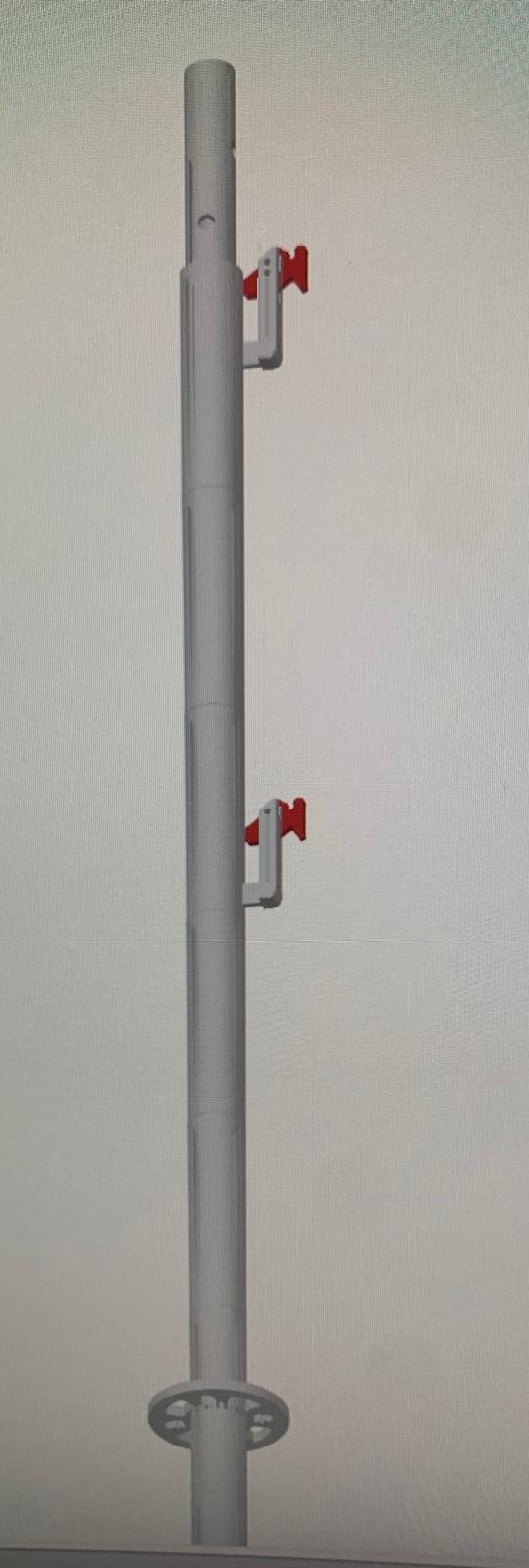
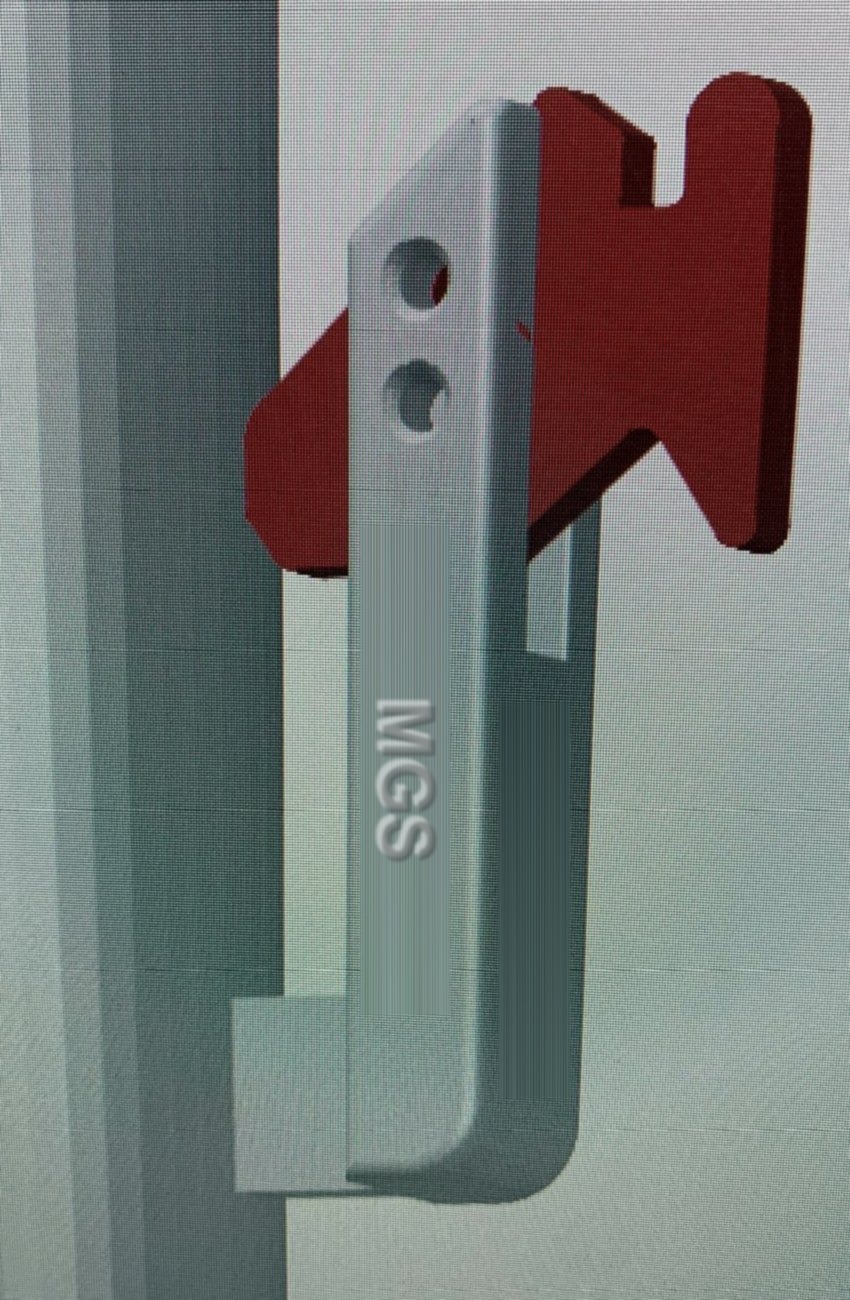
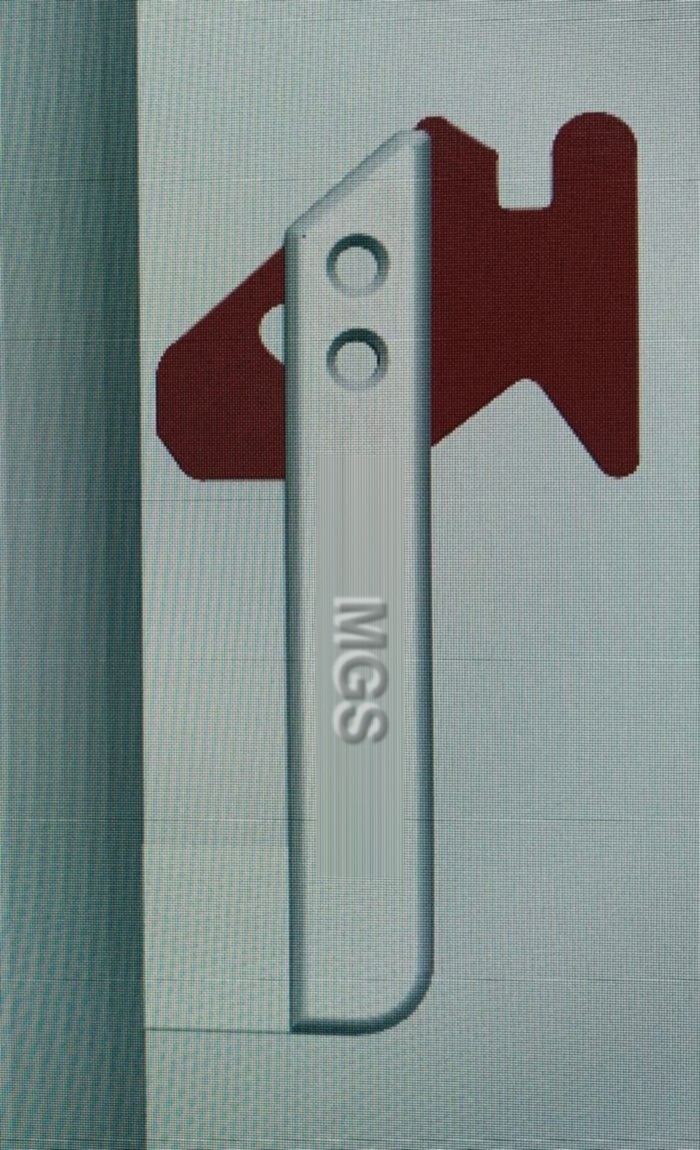
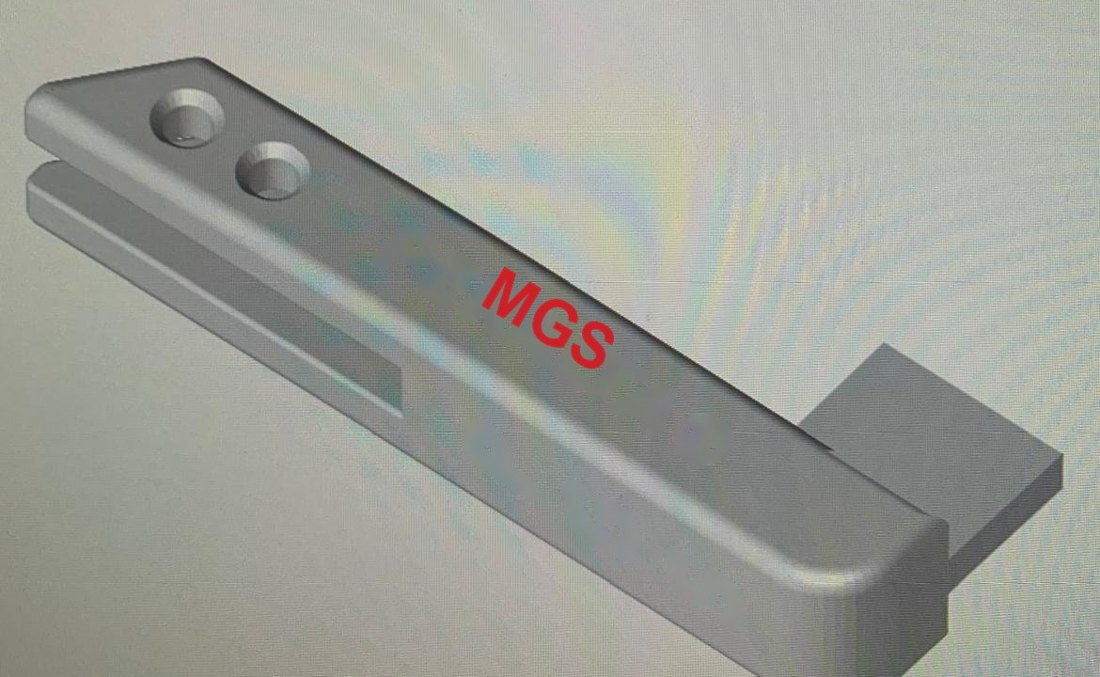
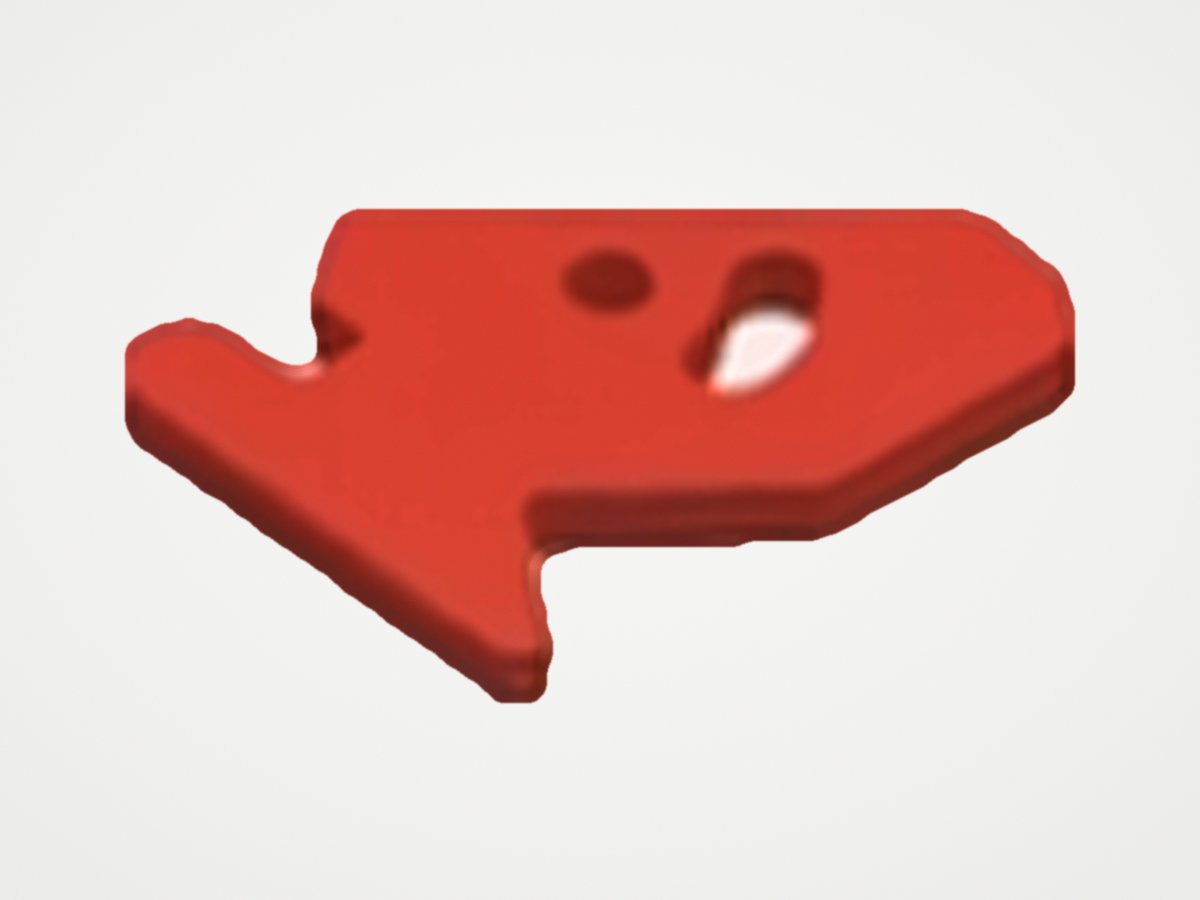
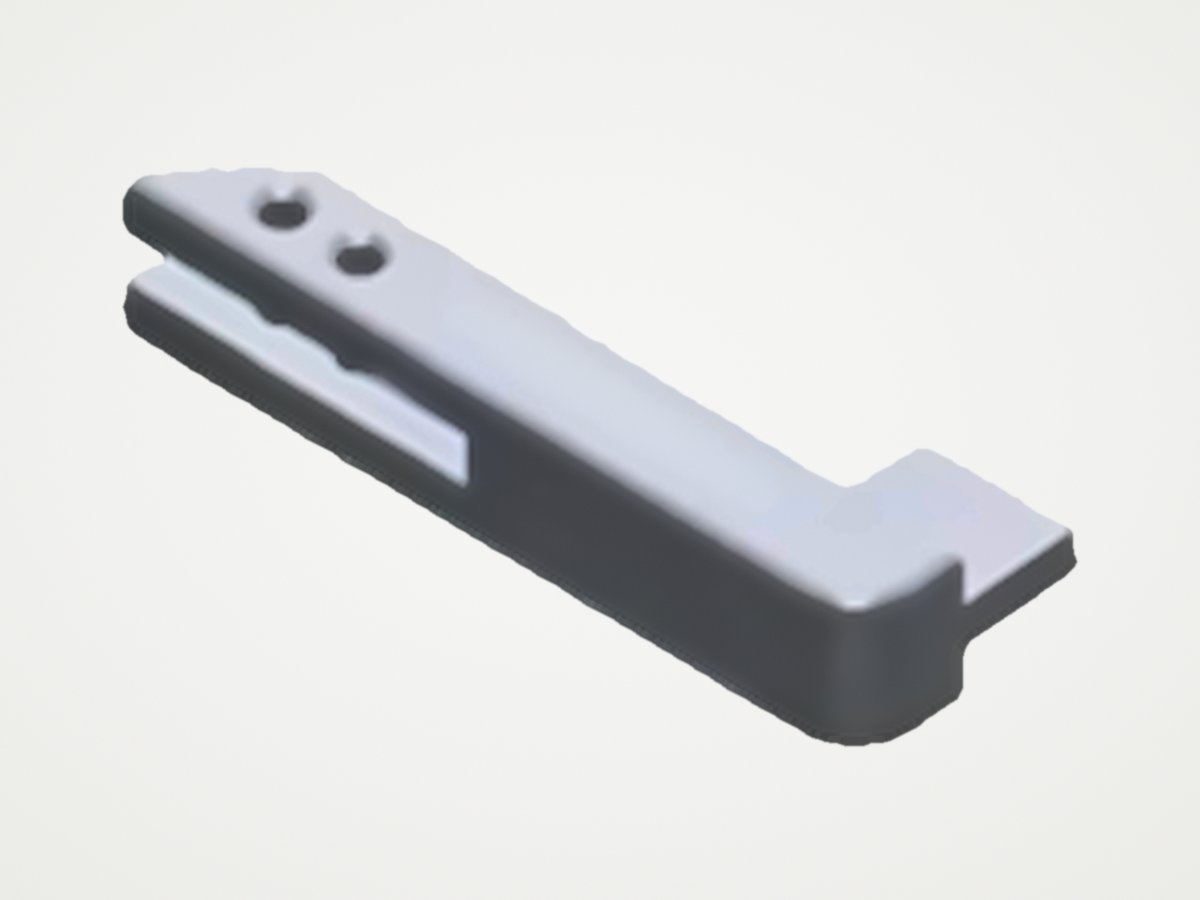
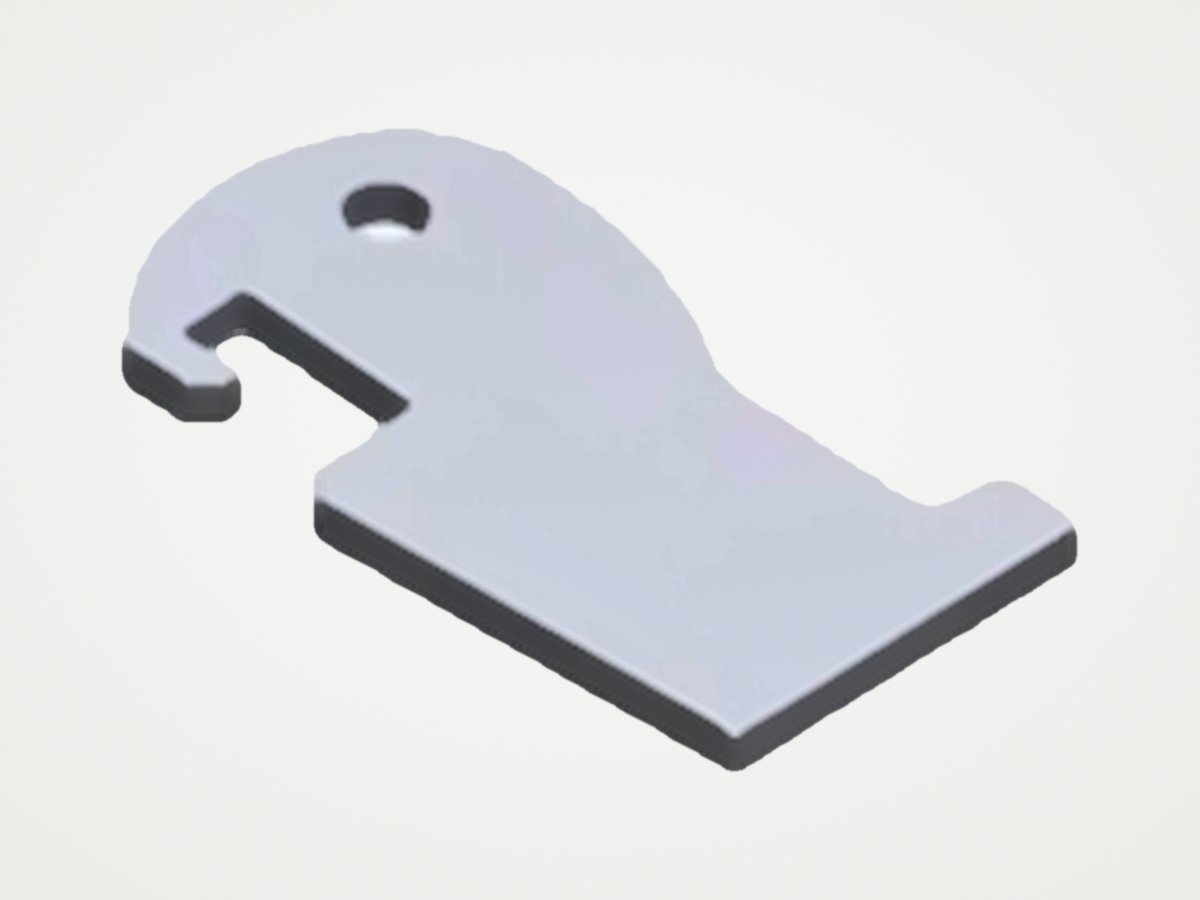
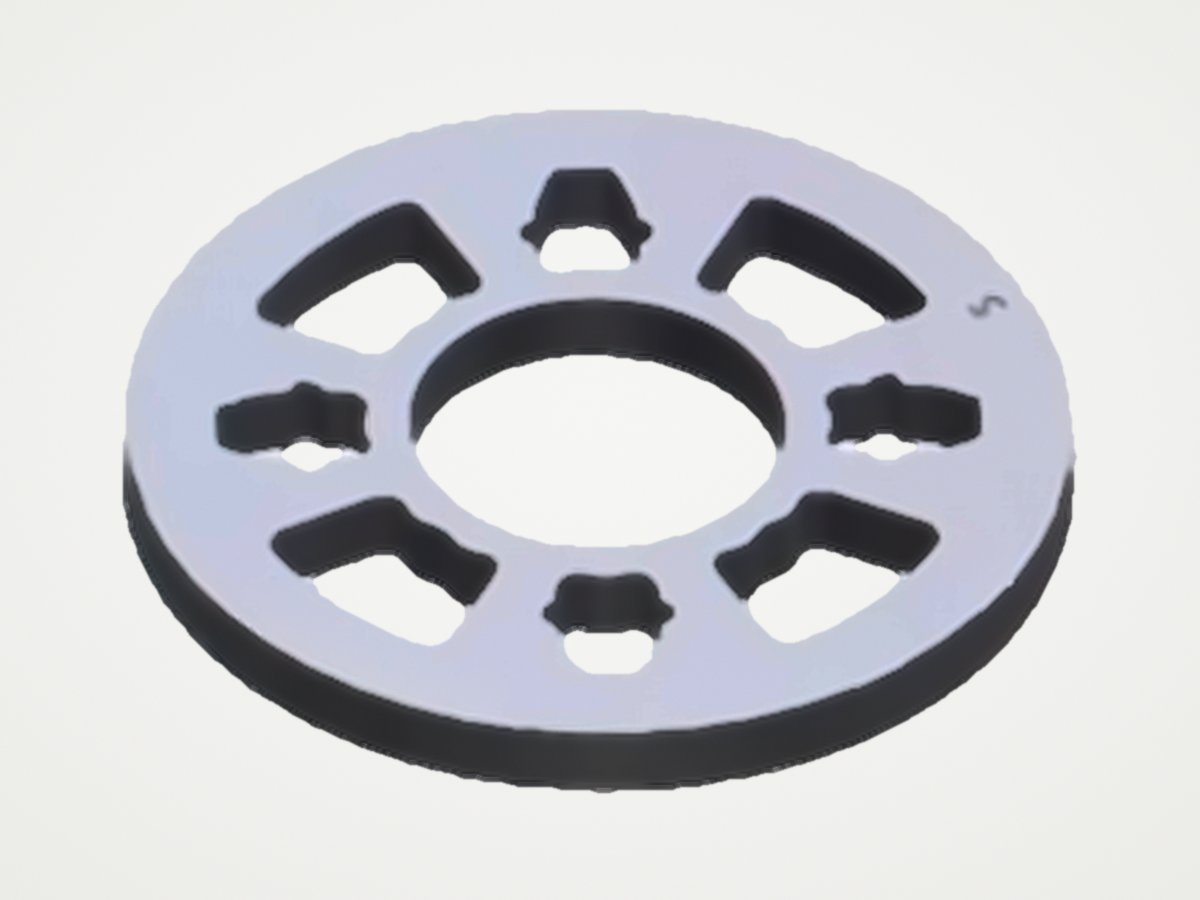
Both variants: advance guardrail on the inside and outside, steel S460, hot-dip galvanised in our in-house galvanising plant (EN ISO 1461, DASt guideline 022).
MGS-A: tilting lock made of stainless steel, painted red – guardrail receiver (bracket) made of malleable cast iron, like scaffold couplers.
| Items | kg | List price |
|---|---|---|
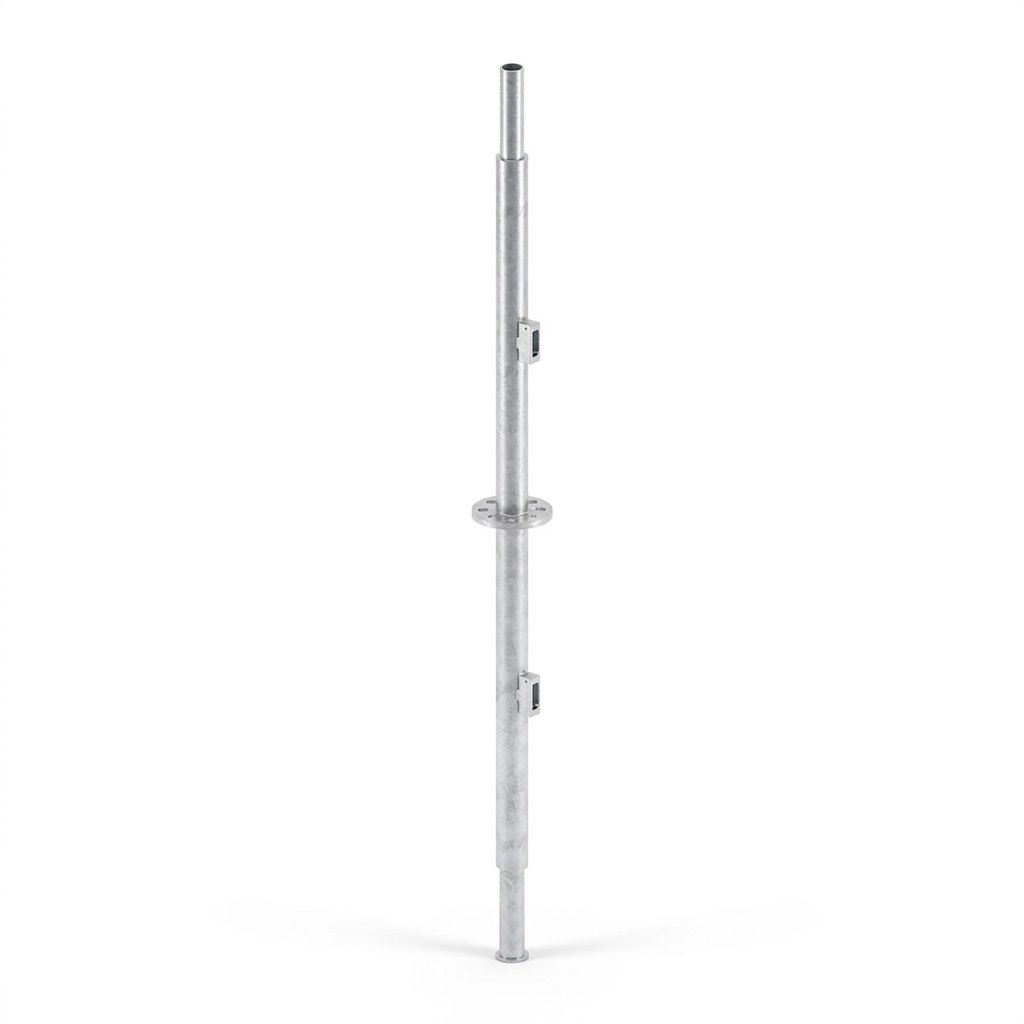 MGS-A standard handle 1.16 m, integrated starter section MA-110-116 | 5,38 | 61.55 € |
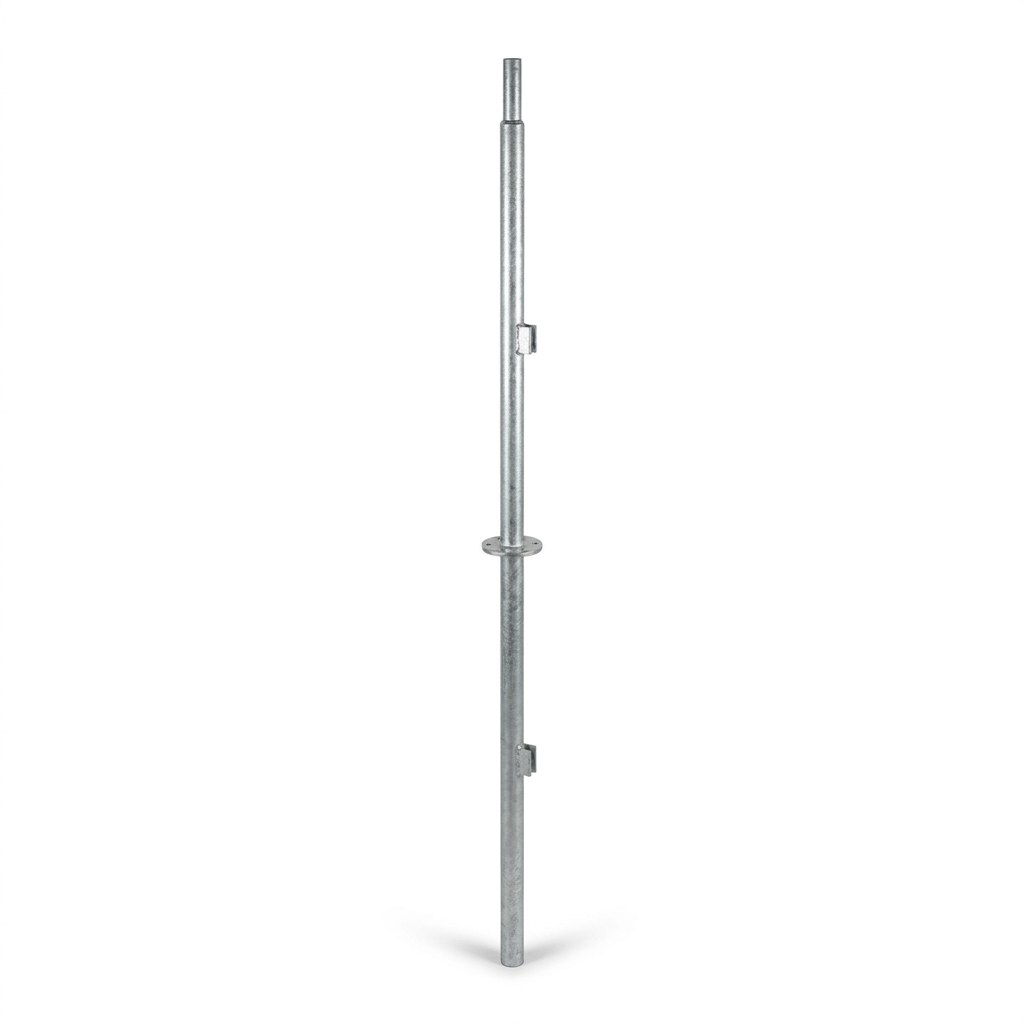 MGS-A standard handle 2.00 m MA 110 200 | 8 | 64.35 € |
| MGS-A internal shank 2.00 m MA 112 200 | 8 | 64.35 € |
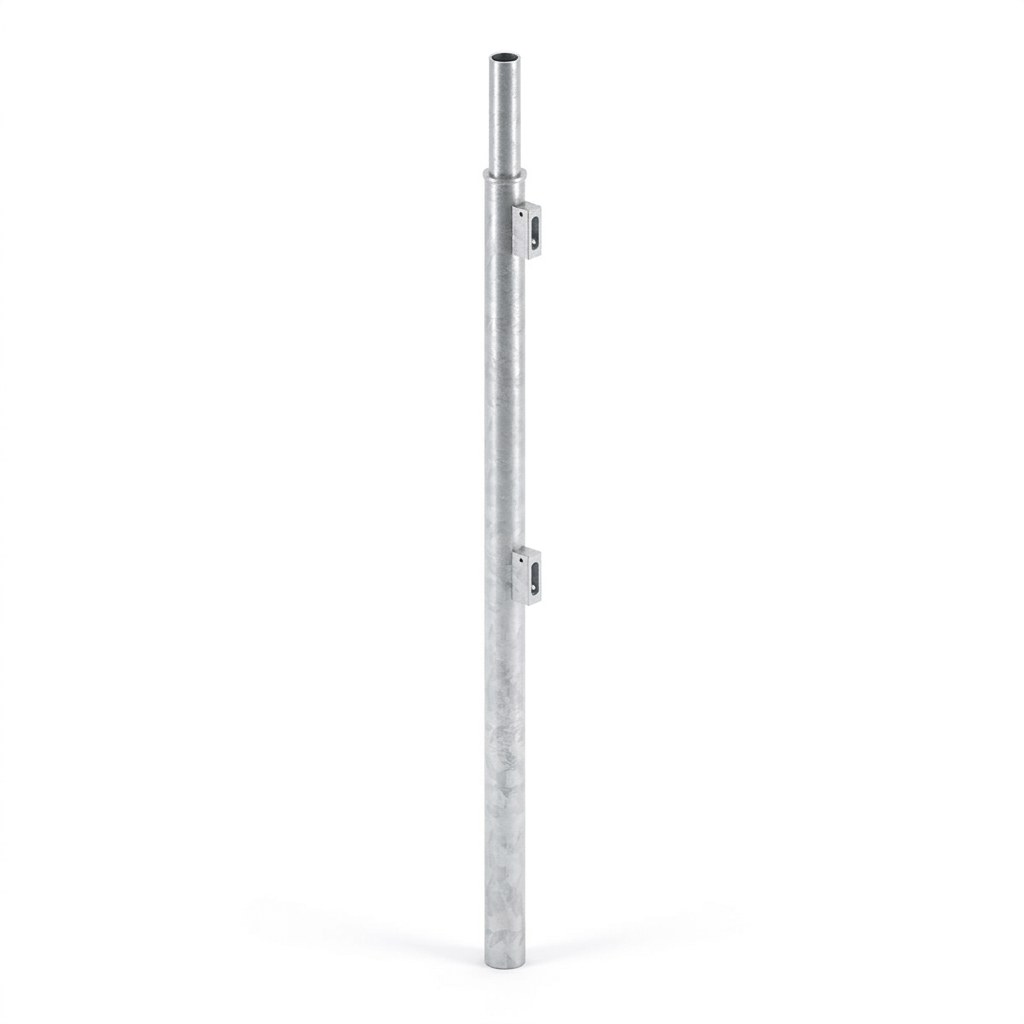 MGS-A baluster 1.00 m MA 114 100 | 4,20 | 53.55 € |
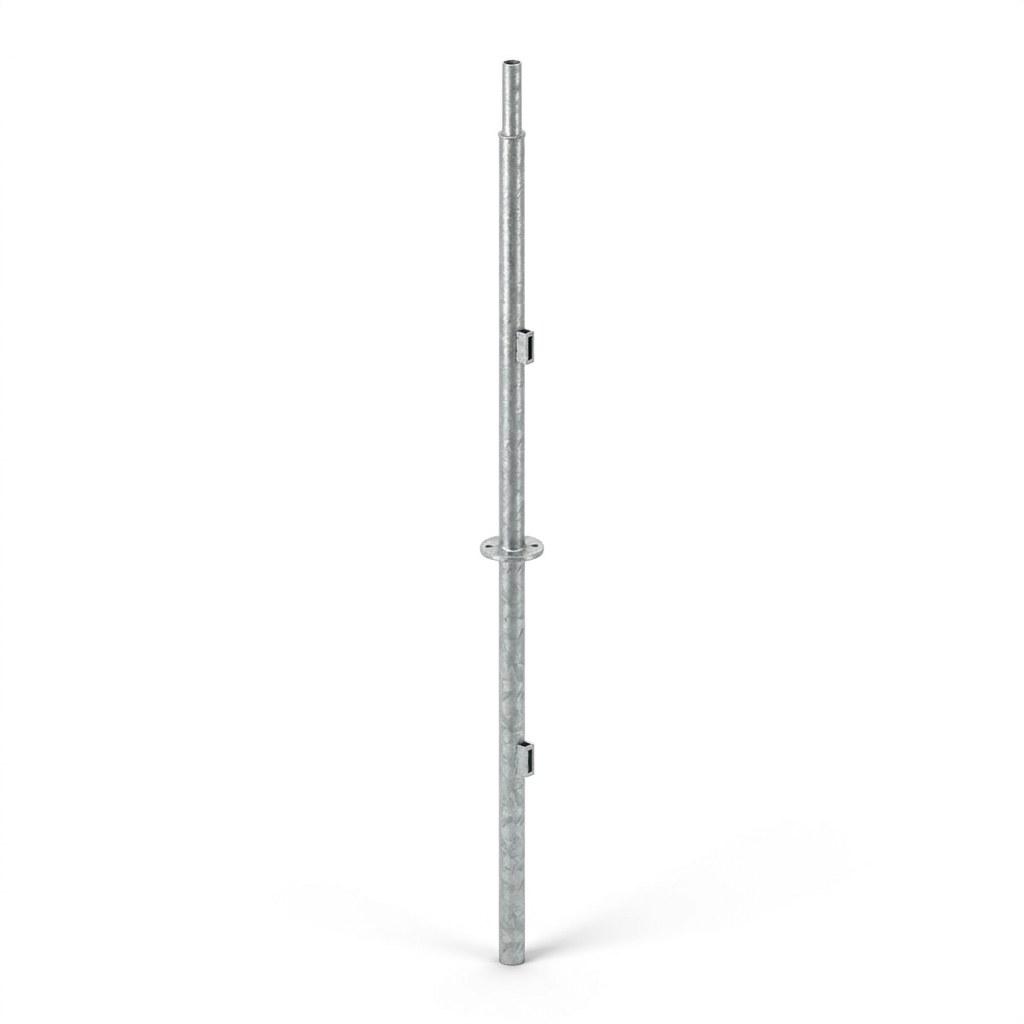 MGS-A support pole for protective screen 1.71 m MA-115-171 | 7 | 69.85 € |
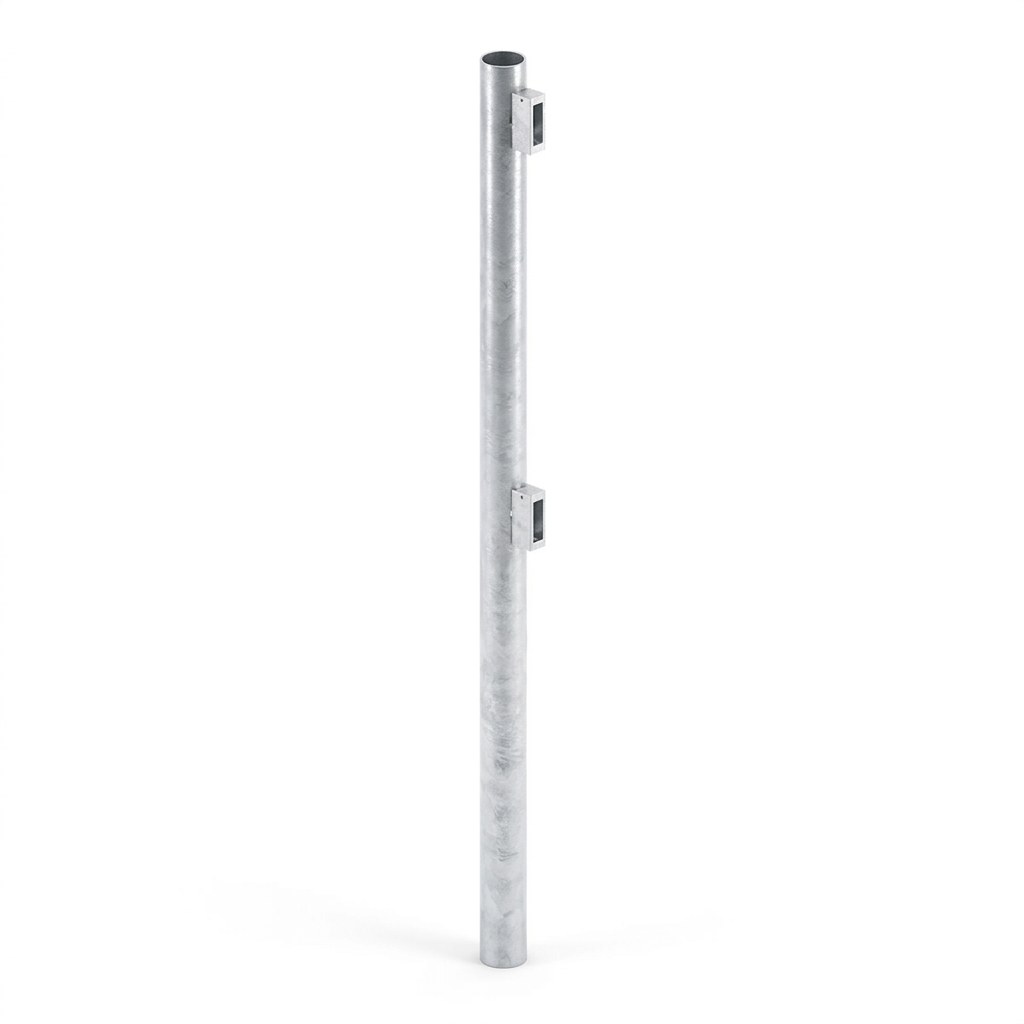 MGS-A terrain support, upper end MA-116-100 | 4,70 | 46.15 € |
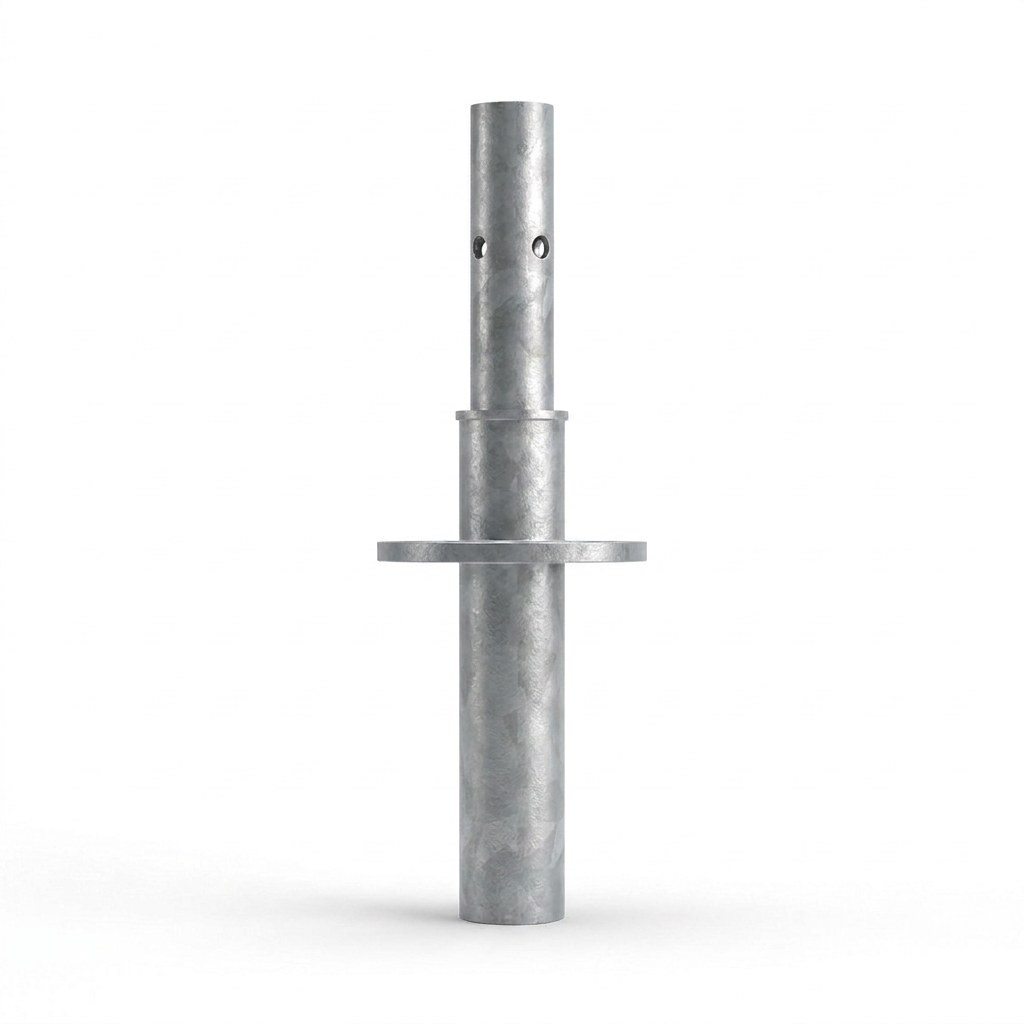 Initial length 0.24 m MA 128 024 | 1,41 | 15.25 € |
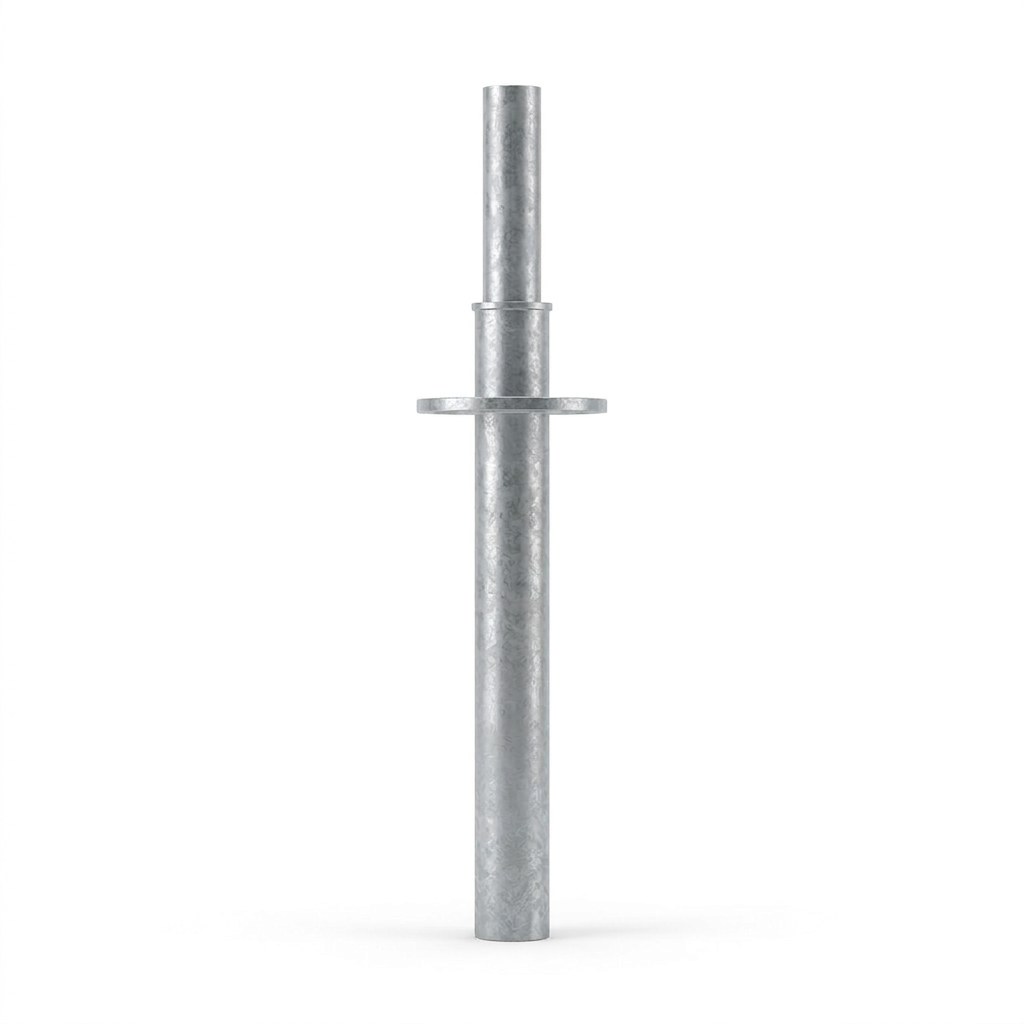 Extended starter section 0.43 m MA-128-043 | 2,20 | 39.35 € |
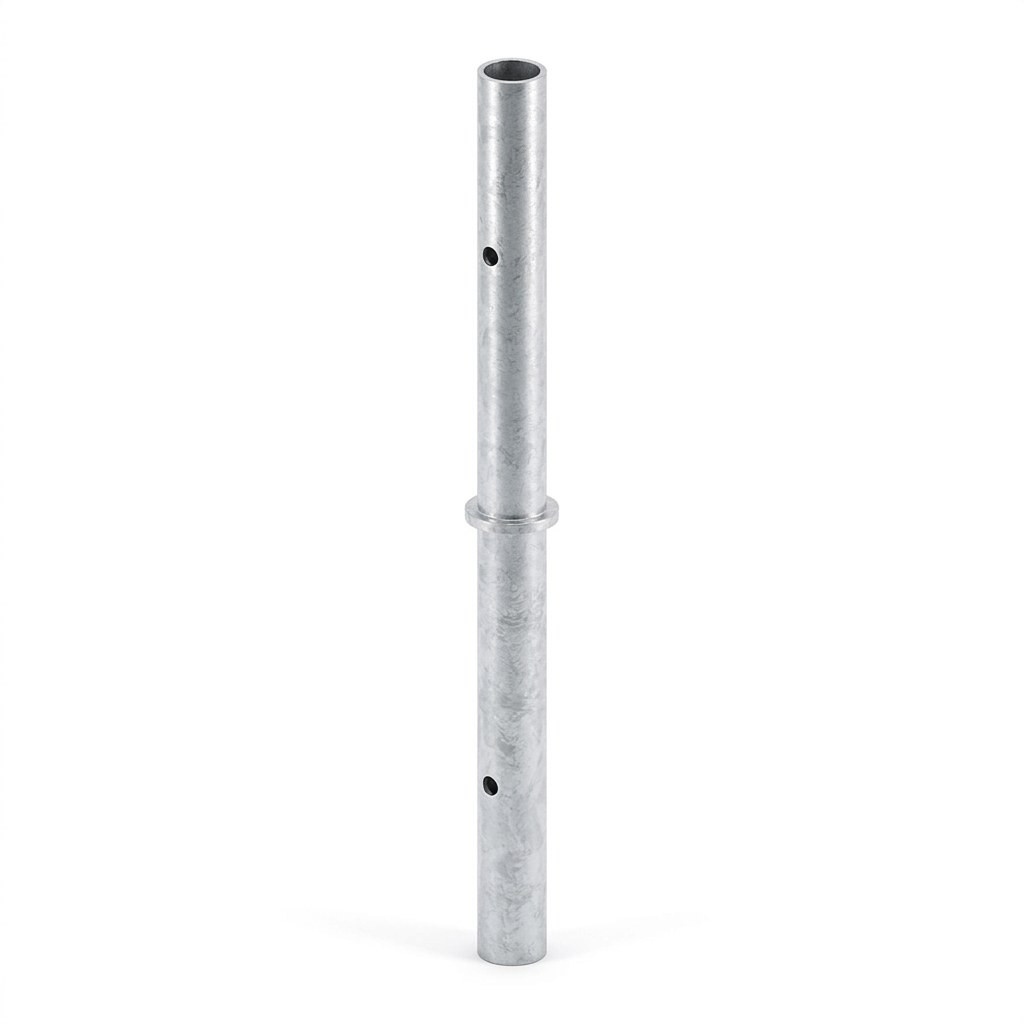 Steel pipe coupler MA-129-052 | 1,60 | 13.35 € |
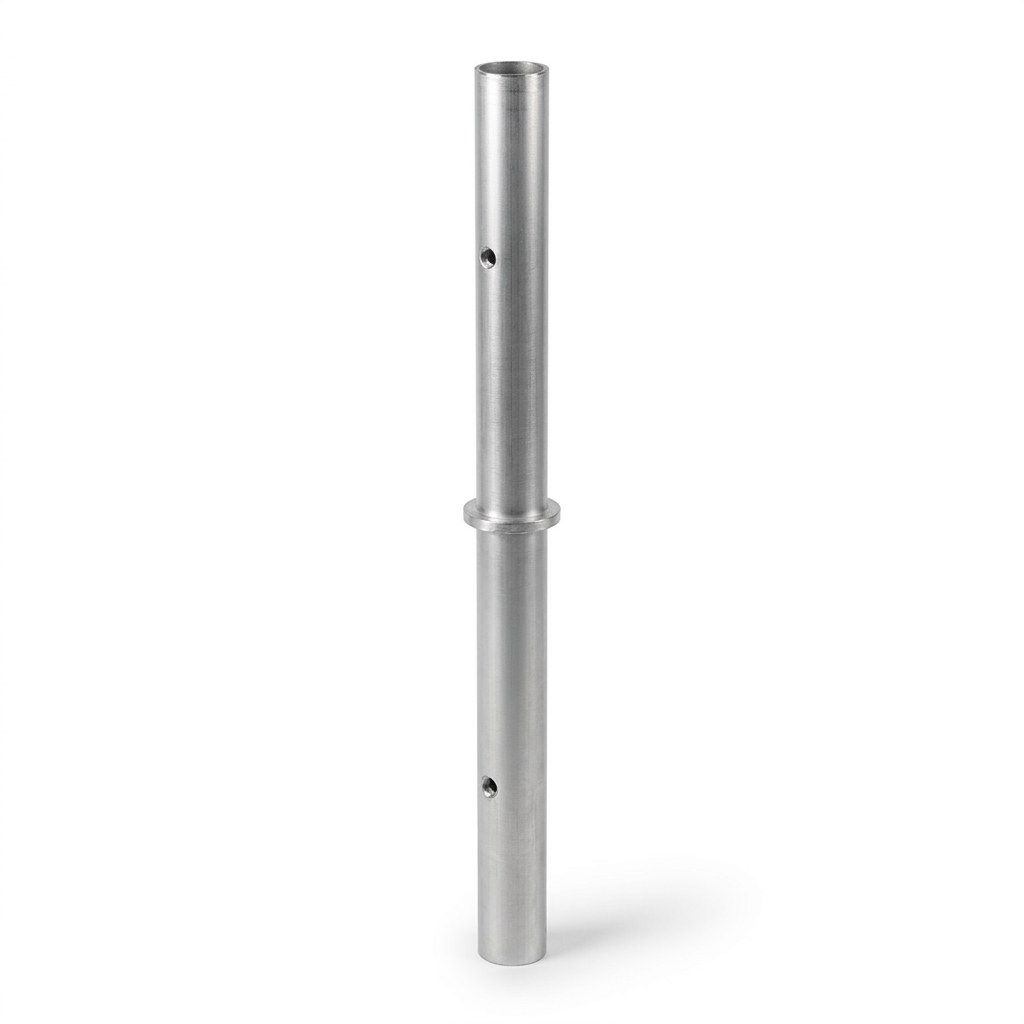 Aluminium pipe connector MA-129-052A | 0,80 | 29.65 € |
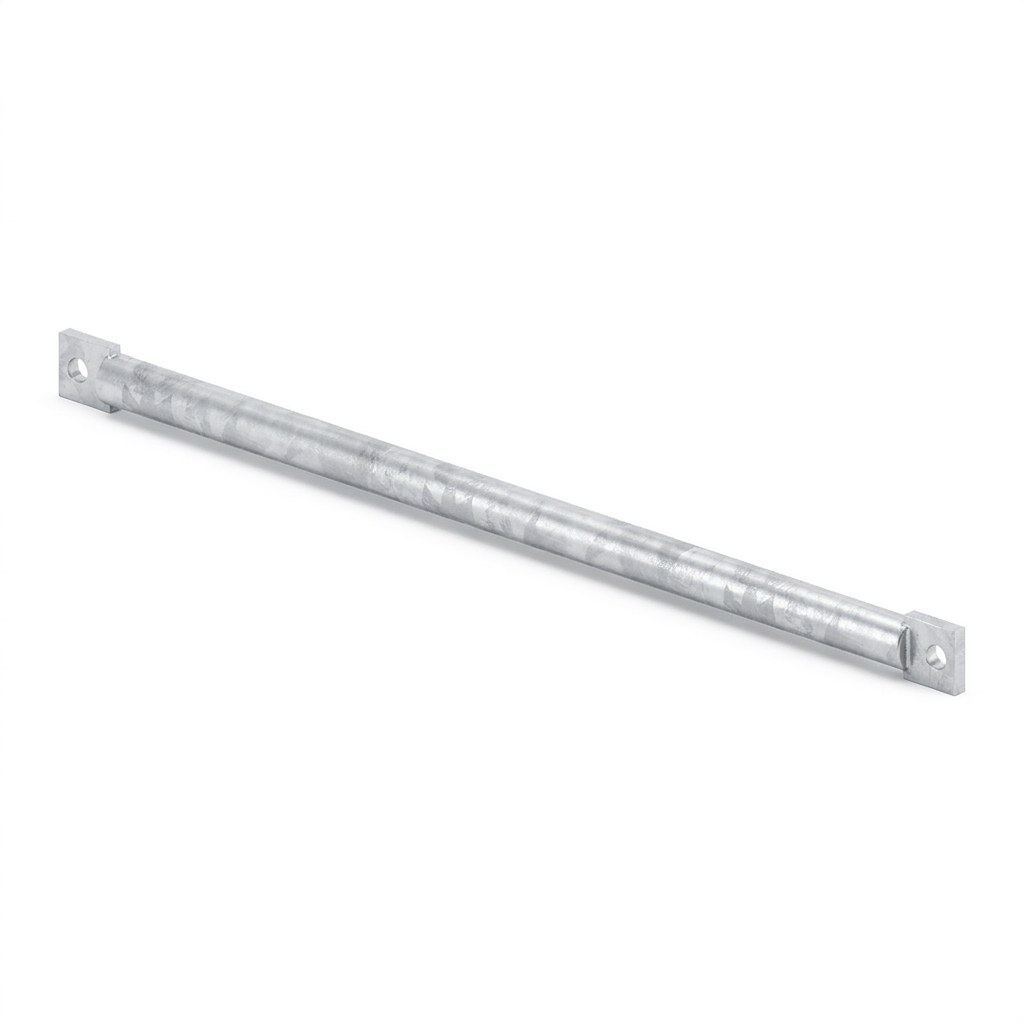 MGS-A guardrail 0.73 m MA 210 073 | 1,40 | 14.85 € |
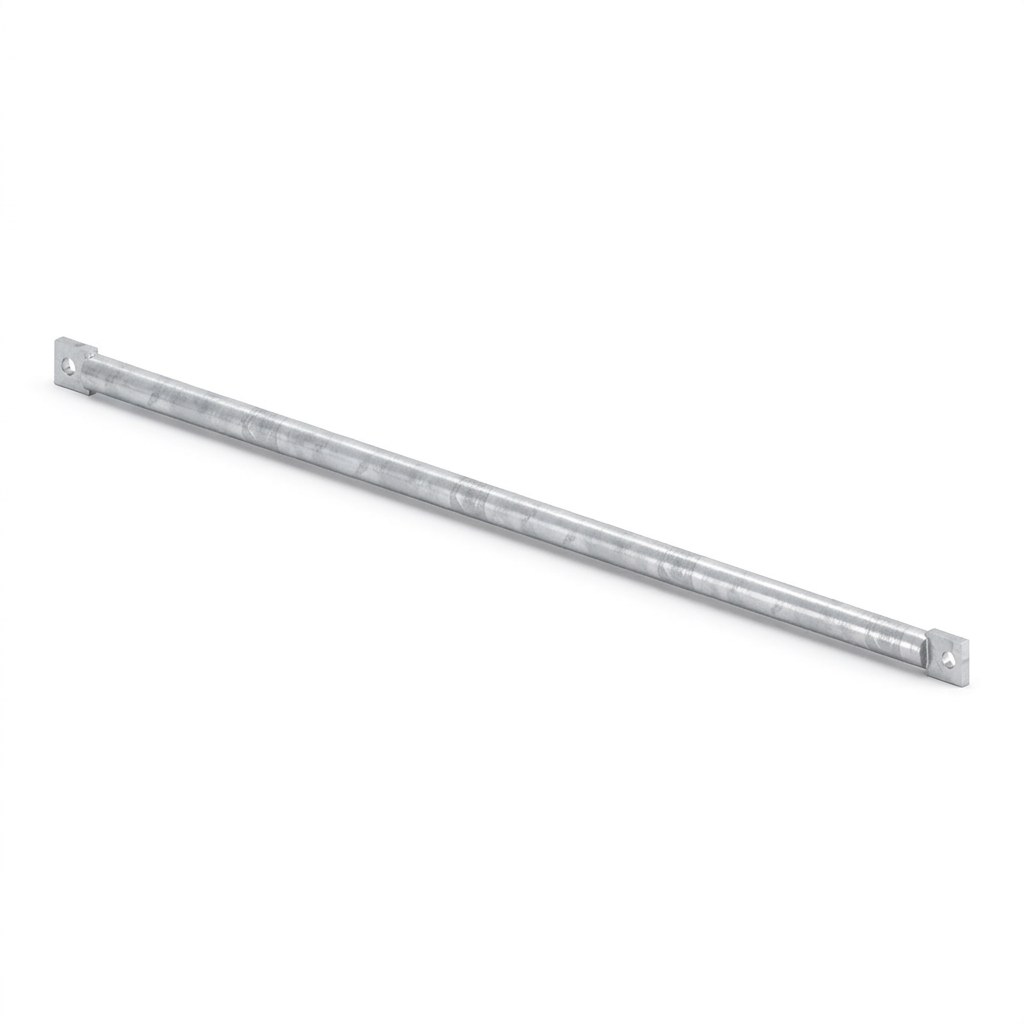 MGS-A guardrail 1.09 m MA 210 109 | 2 | 15.35 € |
List prices net. You can see your online price in the calculator and in the packages.
Sample illustration
Sample illustration
Sample illustration
Sample illustration
Sample illustration
Sample illustration
Sample illustration
Sample illustration
Looking for scaffolding? We offer free, no-obligation advice – in German, English, French, Spanish, Russian, Ukrainian, Turkish and Hungarian.