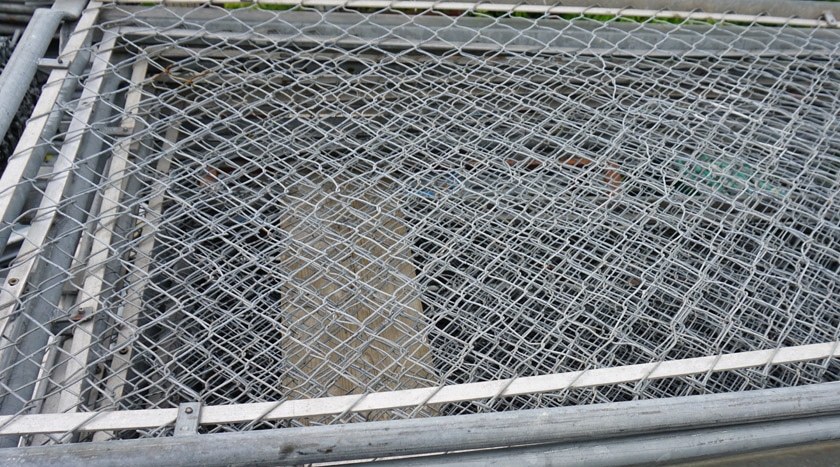
 Similar to the illustration
Side safety barrier 1.00 m x 2.57 m
- Manufacturer
- Layher Blitz
- Item no.
- 005989
- Weight
- 21 kg
294 in stock
from94,00 €net

Live stock from our inventory management system: 572 scaffolding parts for canopies and hoardings in stock – second-hand and inspected, up to 70% cheaper than new items. Green = available immediately from stock, orange = available on request.
Similar to the illustration
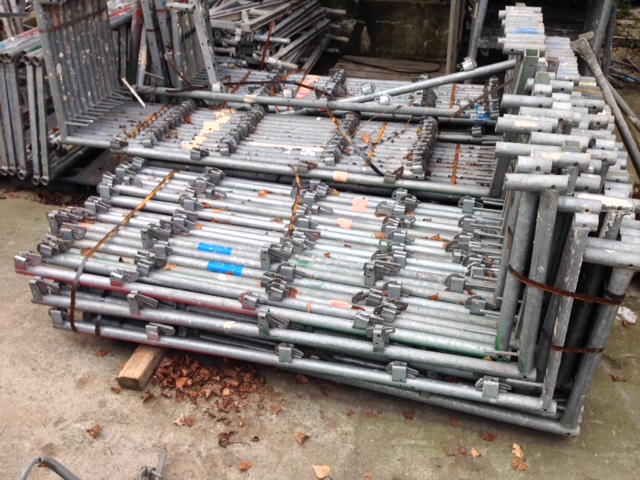
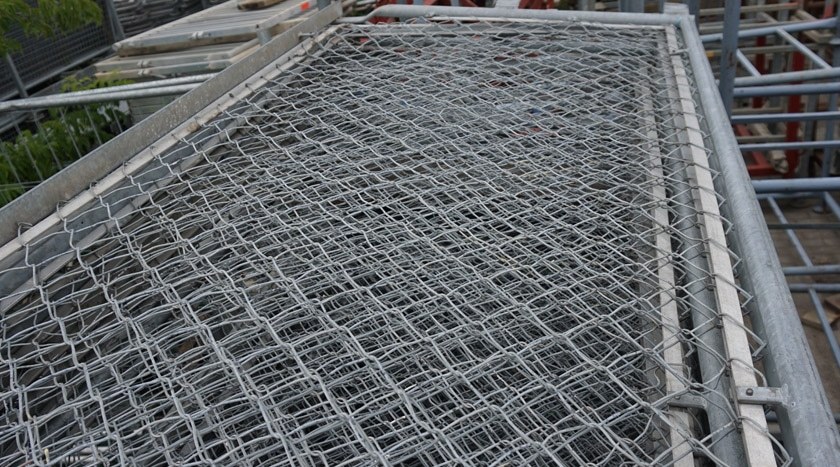 Similar to the illustration
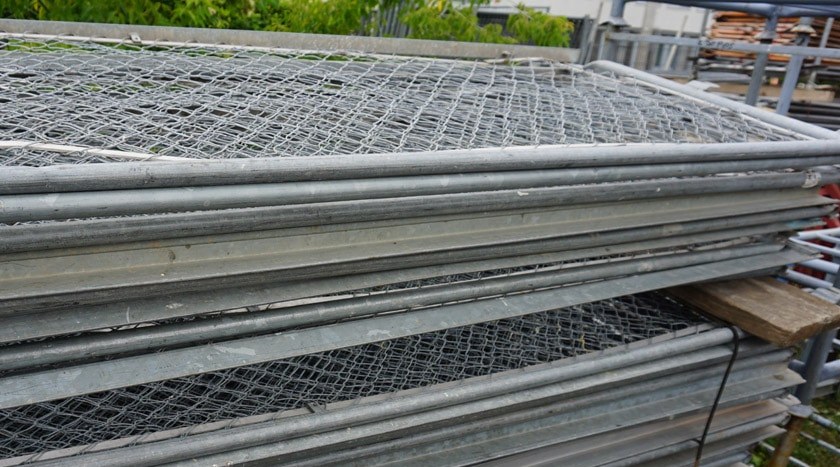 Similar to the illustration
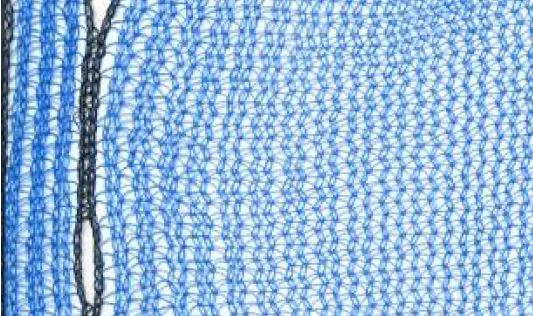 Similar to the illustration
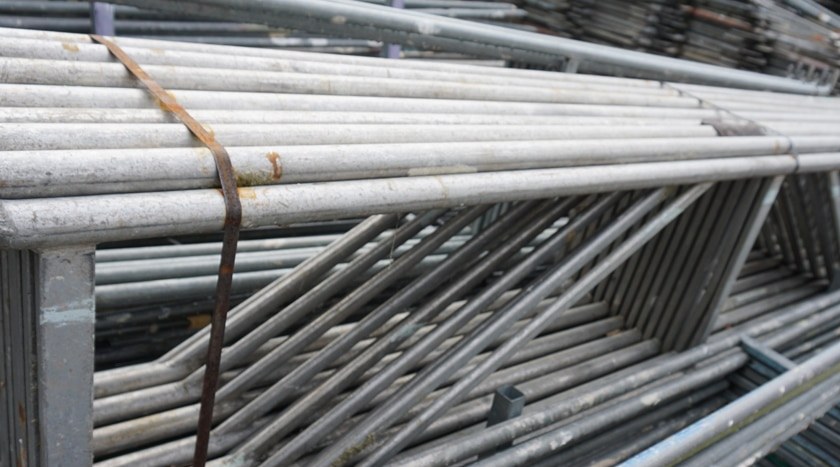 Illustrative image
Illustrative image
Illustrative image
Illustrative image
Illustrative image
Illustrative image
Illustrative image
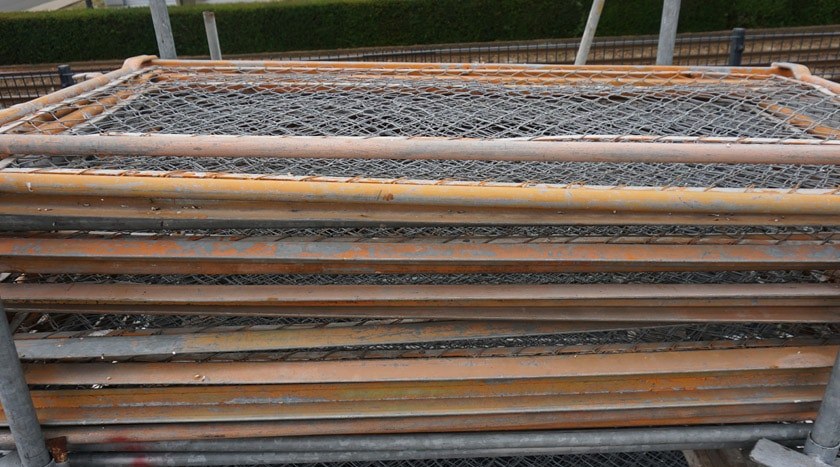
A canopy fitted to the scaffolding protects people and materials from damage caused by falling objects and offers shelter from the elements. Canopies are made from durable materials and can be flexibly adapted to the requirements of various construction projects.
A protective canopy is a temporary roof structure that protects scaffolding from external factors such as falling objects, the weather, snow or site traffic.
It serves as a safety-related protective structure over:
Canopies form part of surface protection and are a key factor in ensuring health and safety at work and business continuity in many construction projects.
Canopies over pavements, entrances and public areas.
Roofs to provide protection from rain, snow or falling debris.
A combination of trusses and roof decking for larger spans.
Quick-to-assemble system solutions for facade scaffolding.
For enhanced safety requirements in industrial projects or on large construction sites.
be installed – depending on the specific ceiling system and substructure.
Are you putting your scaffolding together from individual components? With our EasyFlow scaffolding area calculator, you can first work out the scaffolding area you need – so you’ll know exactly how many canopy components and other parts you’ll require. It’s free, with no obligation, and takes just a few seconds.
A safety canopy protects people, walkways and work areas beneath the scaffolding from falling objects, tools and the weather. Typical applications include entrances, walkways and passageways on building sites in busy areas – for example, during façade or roof work above public land. This ensures that the area beneath the scaffolding remains safe to use. You can read about the relevant regulations and obligations in the guide ‘Scaffolding Safety: Permits, Obligations & Standards’.
A pedestrian safety canopy primarily protects people moving beneath the scaffolding – such as passers-by on pavements and at entrances – from falling debris. A weather protection canopy, on the other hand, protects construction site operations and materials beneath it from rain, snow and wind, so that work can continue even in bad weather. You’ll find both types and the matching accessories in our range of scaffolding parts – depending on the project, they can also be used in combination.
Large spans – such as those spanning wide driveways or passageways – are bridged using lattice girders or modular support structures. The trusses bear the load and transfer it to the scaffolding, meaning that even wide openings can be covered without the need for supports. You can obtain suitable, CETRAC-certified trusses from stock.
That depends on the location. If the canopy is situated over public land – such as pavements or roads – a special use permit from the local authority is usually required. In addition, its use often requires a risk assessment and consultation with inspectors. We have summarised the specific permits and obligations that apply in our guide ‘Scaffolding Safety: Permits, Obligations & Standards’.
Looking for scaffolding? We offer free, no-obligation advice – in German, English, French, Spanish, Russian, Ukrainian, Turkish and Hungarian.