
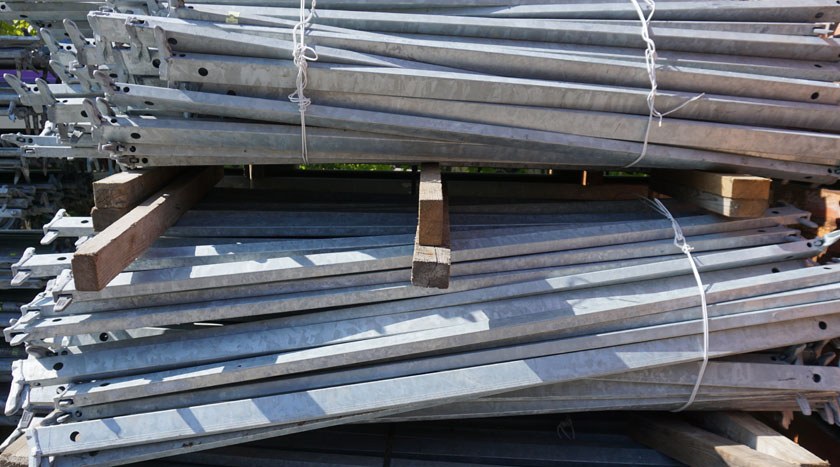
Buy scaffolding crossbars (O-shaped, U-shaped, decking crossbars)
Live stock from our inventory management system: 93,947 scaffolding parts in scaffolding crossbars in stock – second-hand and inspected, up to 70% cheaper than new items. Green = available immediately from stock, orange = available on request.
Parts order
Used parts from stocknur Lagerware · sofort lieferbar›
New parts from the CETRAC catalogueSPEED available to order now · MGS, MODUX from 2027 · DIBt approval applied for›
Order scaffolding parts – enter quantities, done
- 1 Select parts
- 2 Check preview
- 3 Send request
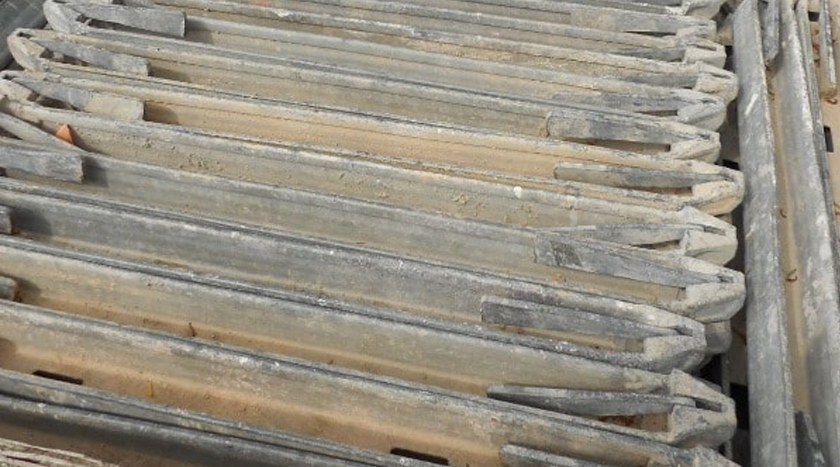 Similar to the illustration
U-shaped double ledger, steel 3.07 m
- Manufacturer
- Layher Allround
- Item no.
- 10001499
- Weight
- 17 kg
650 in stock
from61,50 €net
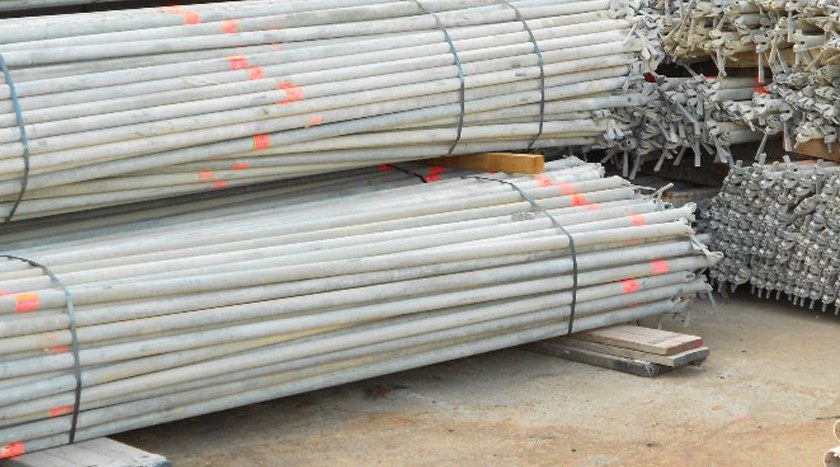 Similar to the illustration
O – Ledger, steel, 0.73m
- Manufacturer
- Layher Allround
- Item no.
- 10001464
- Weight
- 3 kg
632 in stock
from12,50 €net
 Illustrative image
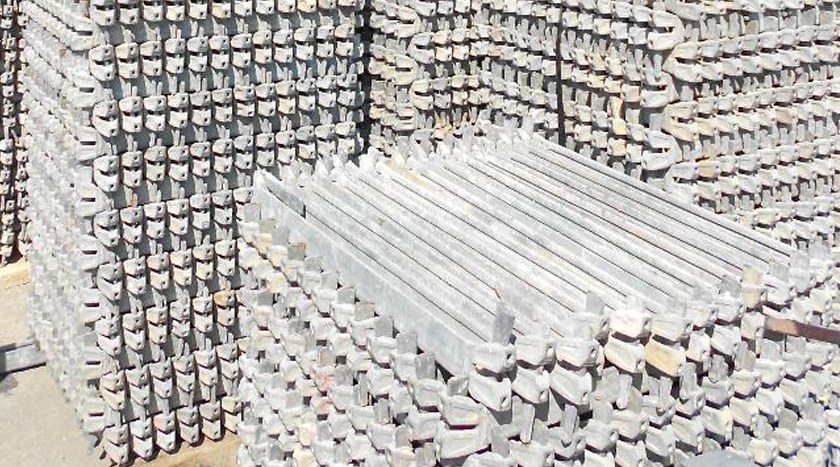 Similar to the illustration
U-ledger, steel, reinforced 2.07 m
- Manufacturer
- Layher Allround
- Item no.
- 10000197
- Weight
- 12 kg
553 in stock
from49,00 €net
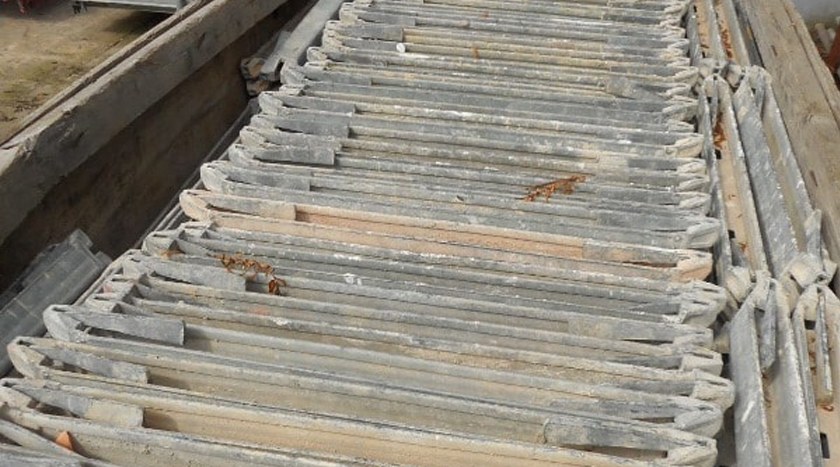 Similar to the illustration
U-ledger, steel 0.73 m LW T14
- Manufacturer
- Layher Allround
- Item no.
- 005893
- Weight
- 3 kg
472 in stock
from14,50 €net
Illustrative image
U-ledger, steel deck – O-ledger, with wedge lock, 0.64m
- Manufacturer
- Layher Allround
- Item no.
- 12346022
- Weight
- 4 kg
466 in stock
from20,00 €net
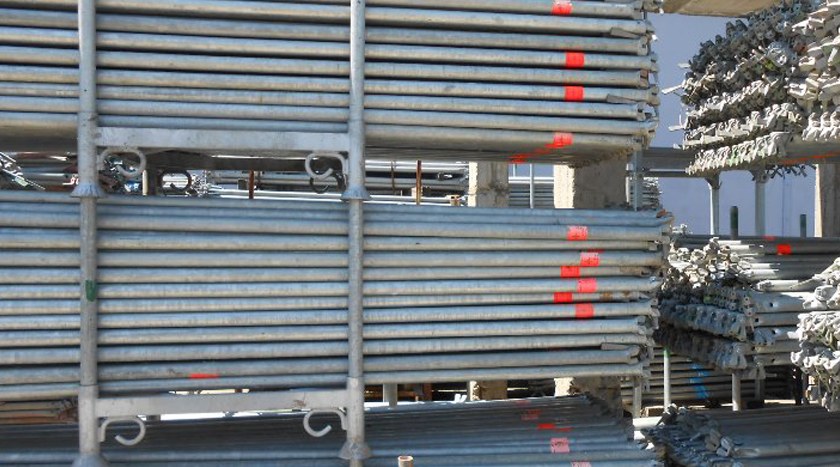 Similar to the illustration
O – Ledger, steel, 1.57m
- Manufacturer
- Layher Allround
- Item no.
- 10001469
- Weight
- 5 kg
462 in stock
from18,50 €net
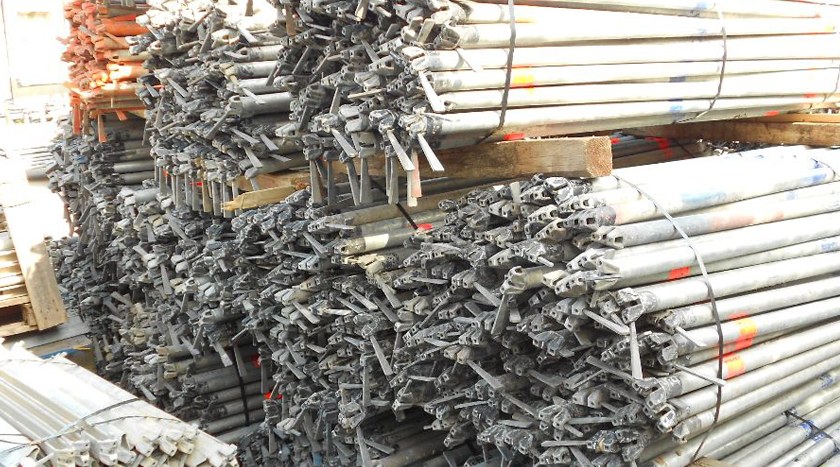 Similar to the illustration
O – Ledger, steel, 1.04m
- Manufacturer
- Layher Allround
- Item no.
- 10001465
- Weight
- 4 kg
439 in stock
from15,00 €net
Illustrative image
U - LW sliding bolt, steel, galvanised, 1.09 m
- Manufacturer
- Layher Allround
- Item no.
- 006057
- Weight
- 4 kg
431 in stock
from25,50 €net
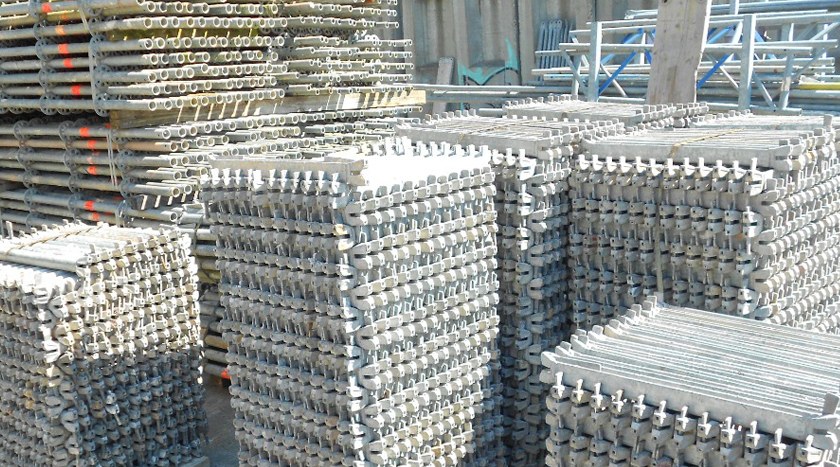 Similar to the illustration
U-shaped steel ledger joists – steel deck, up to 3.07m, 0.64m
- Manufacturer
- Layher Allround
- Item no.
- 10001509
- Weight
- 4 kg
420 in stock
from25,50 €net
Illustrative image
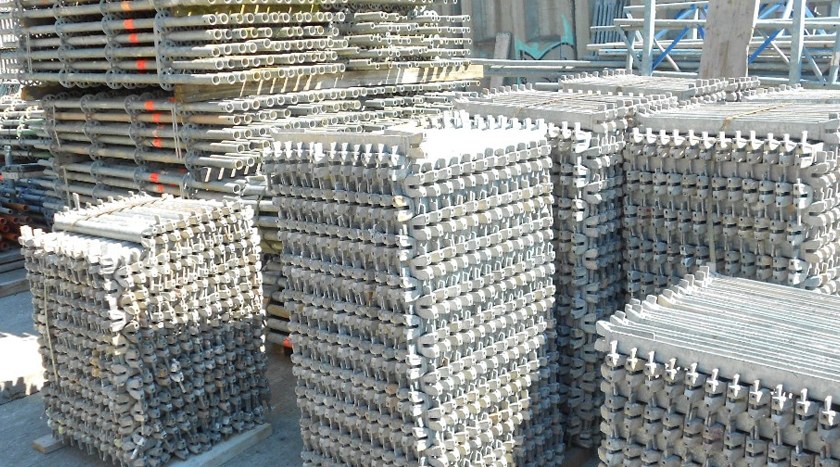 Similar to the illustration
U-ledger, steel, reinforced 2.57 m
- Manufacturer
- Layher Allround
- Item no.
- 10000664
- Weight
- 15 kg
393 in stock
from57,00 €net
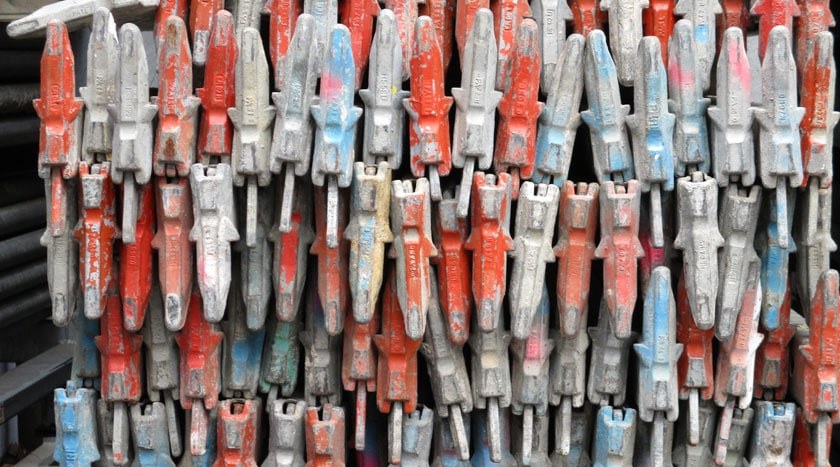
Horizontal bar UH 250 / UH 250 plus
- Manufacturer
- Peri
- Item no.
- 10044259
- Weight
- 7 kg
360 in stock
from24,00 €net
Illustrative image
Double bolt, tubular support, 300 L
- Manufacturer
- Plettac
- Item no.
- 007219
- Weight
- 19 kg
351 in stock
from57,60 €net
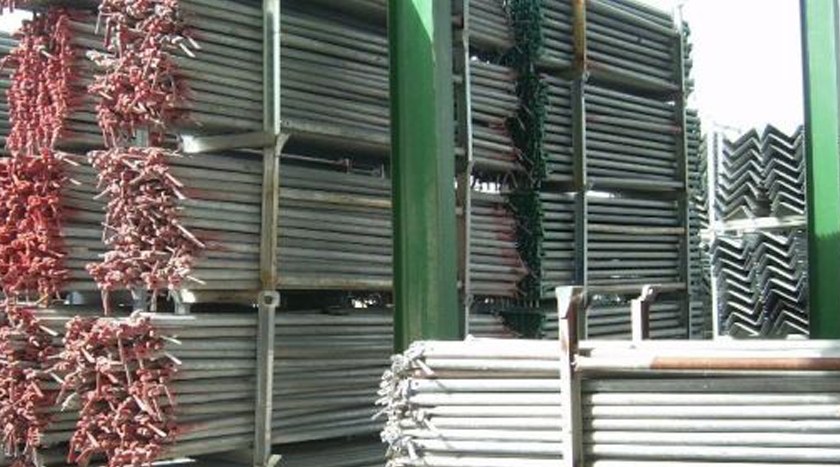 Similar to the illustration
O – Ledger, steel, 1.40m
- Manufacturer
- Layher Allround
- Item no.
- 10001468
- Weight
- 5 kg
328 in stock
from18,50 €net
Similar to the illustration
U-ledger, steel, reinforced 3.07 m
- Manufacturer
- Layher Allround
- Item no.
- 10044278
- Weight
- 18 kg
299 in stock
from65,00 €net
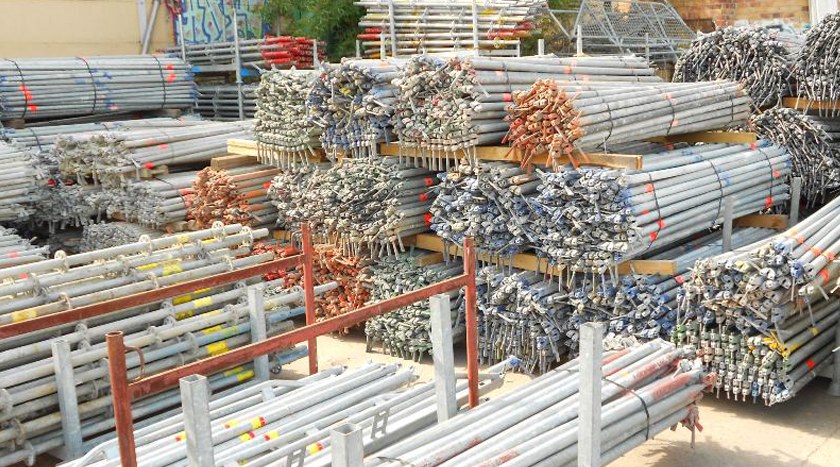 Similar to the illustration
O – LW bar, steel, 0.90m
- Manufacturer
- Layher Allround
- Item no.
- 006068
- Weight
- 3 kg
286 in stock
from18,50 €net
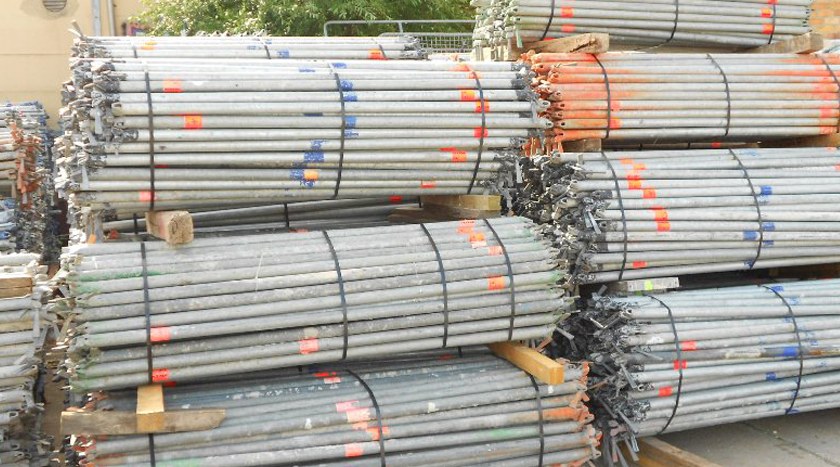 Similar to the illustration
O - LW bar, steel, metric, 0.25m
- Manufacturer
- Layher Allround
- Item no.
- 10001804
- Weight
- 1 kg
248 in stock
from15,00 €net
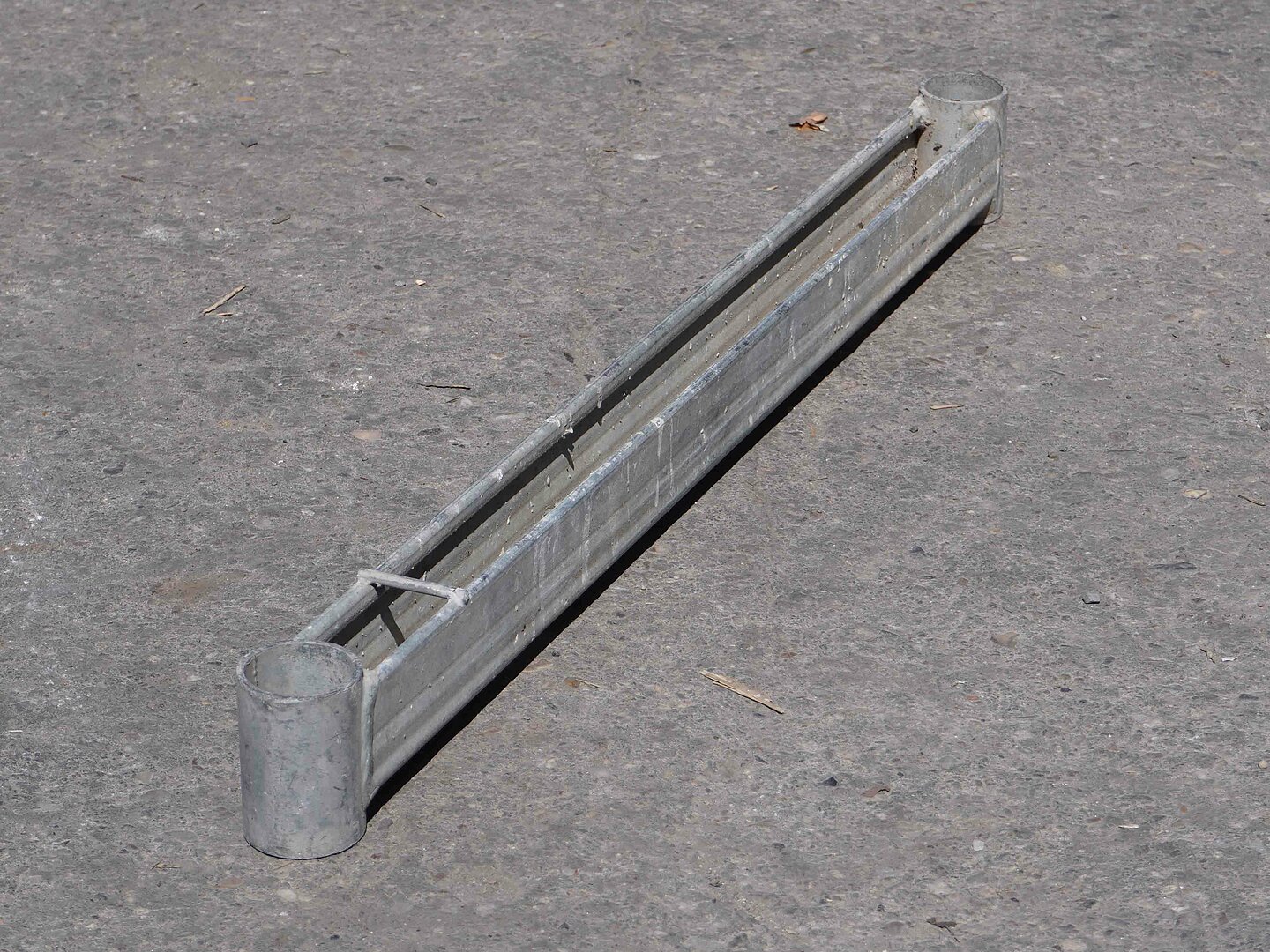 Similar to the illustration
U-shaped starter rail 0.73 m for landing stairs, steel, galvanised
- Manufacturer
- Layher Blitz
- Item no.
- 10001242
- Weight
- 3 kg
247 in stock
from18,50 €net
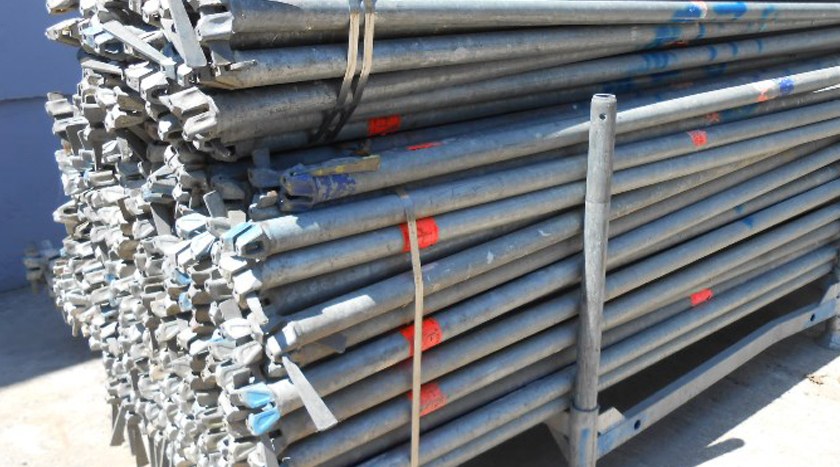 Similar to the illustration
O – LW bar, steel, 1.29m
- Manufacturer
- Layher Allround
- Item no.
- 006071
- Weight
- 4 kg
245 in stock
from18,50 €net
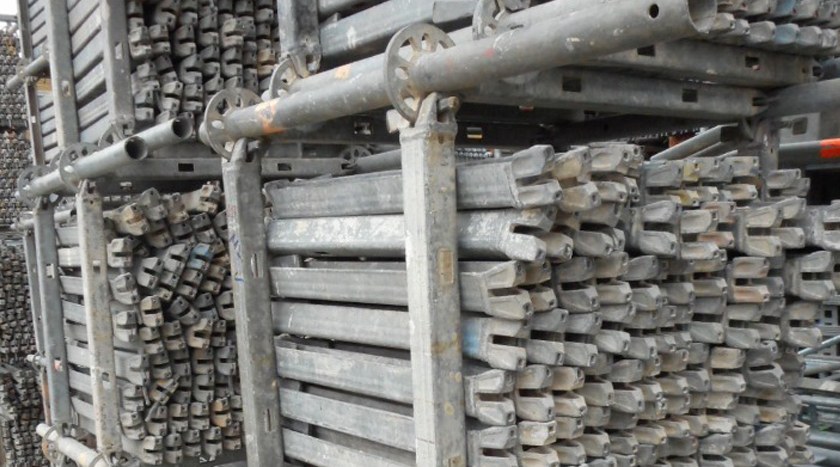 Similar to the illustration
U-ledger, steel, reinforced 1.57 m
- Manufacturer
- Layher Allround
- Item no.
- 10044277
- Weight
- 9 kg
244 in stock
from41,00 €net
Illustrative image
U-ledger, steel deck – O-ledger, with wedge lock, 0.96m
- Manufacturer
- Layher Allround
- Item no.
- 006116
- Weight
- 6 kg
243 in stock
from38,00 €net
Similar to the illustration
O - Ledger, aluminium, 2.07m
- Manufacturer
- Layher Allround
- Item no.
- 006443
- Weight
- 4 kg
205 in stock
from37,50 €net
Scaffolding braces, or cross-braces, connect vertical and horizontal scaffolding components and play a key role in ensuring the stability of the entire structure. They are available in various lengths and materials, allowing for flexible adaptation to a wide range of scaffolding configurations.
Classification / Technical significance
Depending on the system, scaffold braces serve as:
- Load-bearing components,
- Connection and bracing element,
- Supports for guardrails, brackets or decks.
They ensure that scaffolding remains dimensionally stable, strong and true to size – particularly at greater heights or under varying loads.
Typical applications for scaffolding braces:
- connect standard posts or scaffolding frames at specific grid intervals
- brace the scaffolding frames horizontally
- serve as a fixing point for:
Guardrails, diagonal braces, brackets, decking, safety netting or tarpaulin barriers
Scaffold braces play an important role in:
- Inner and outer fields
- Bracing panels
- Connection of scaffolding levels to access points or special components
Scaffolding braces for maximum stability – available in various lengths and for immediate delivery
Horizontal bracing bars
- Standard strut for horizontal stabilisation
- Connection between two vertical components
System braces for modular scaffolding
- Ledgers with a defined connection geometry for module nodes
- enable flexible geometries and free combinations
Handrail crossbar / Side protection bar
- Used for fitting side guards and fall protection systems
- Can also provide support points for mesh or skirting board systems
Support beam / Bearing beam
- Ledgers on which system cladding or brackets are mounted
- Secure loads horizontally
Special brackets (transition / masonry / façade)
- designed for specific geometric situations
- Used for projections, cable routing or irregular building structures
Scaffolding cross-braces: effort / costs / benefits
All scaffolding crossbars are available for immediate delivery:
Calculate scaffolding area
Do you assemble your scaffolding from individual parts? With our EasyFlow scaffolding area calculator, you can first work out the scaffolding area you need – so you’ll know exactly how many ledgers and other components you’ll require. It’s free, with no obligation, and takes just a few seconds.
FAQ – Scaffolding braces
They stabilise scaffolding horizontally and – together with the horizontal braces – connect key joints to one another.
No. Ledgers vary considerably depending on the system, the type of fitting and their function.
In most cases, no. Systems are manufacturer-specific, so ledgers from different manufacturers rarely fit together.
Clamping bars are designed to hold decks in place. However, the actual load-bearing capacity and load class are specific to the system and depend on the manufacturer’s specifications.
Handrail crossbars are primarily intended to provide lateral protection – not to transfer loads.
In the case of projections, cable routing, irregular façades or structurally complex surfaces.