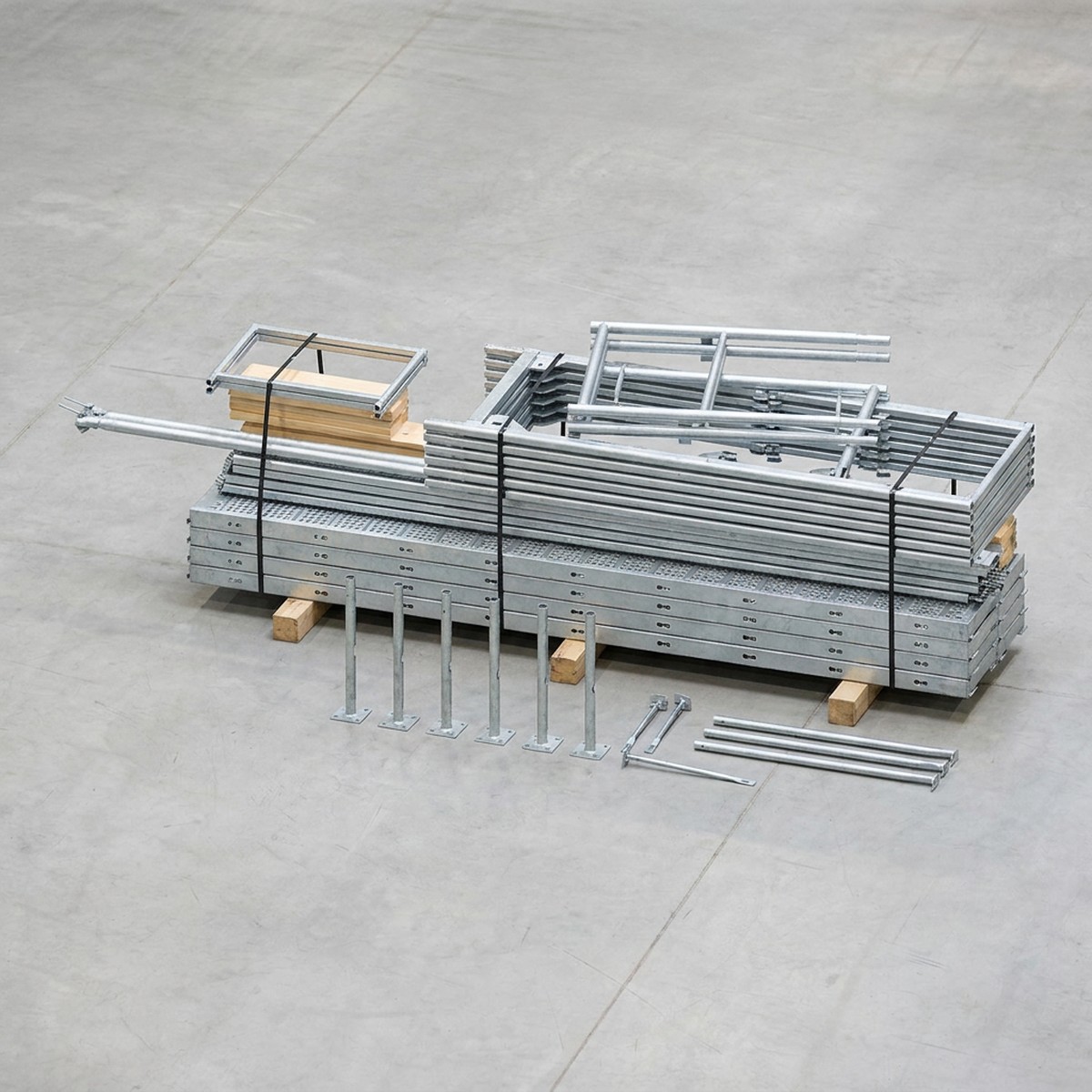
 Sample illustration
SPEED facade scaffolding 34 m² · aluminium frame, timber panel, bay 2.57 m
Delivery time on request
35,60 €/m² 1.206,90 €net plus VAT
35,60 €/m² 1.206,90 €net plus VAT

Lightweight aluminium scaffolding.
Sample illustration
Sample illustration
Sample illustration
Sample illustration
Sample illustration
Sample illustration
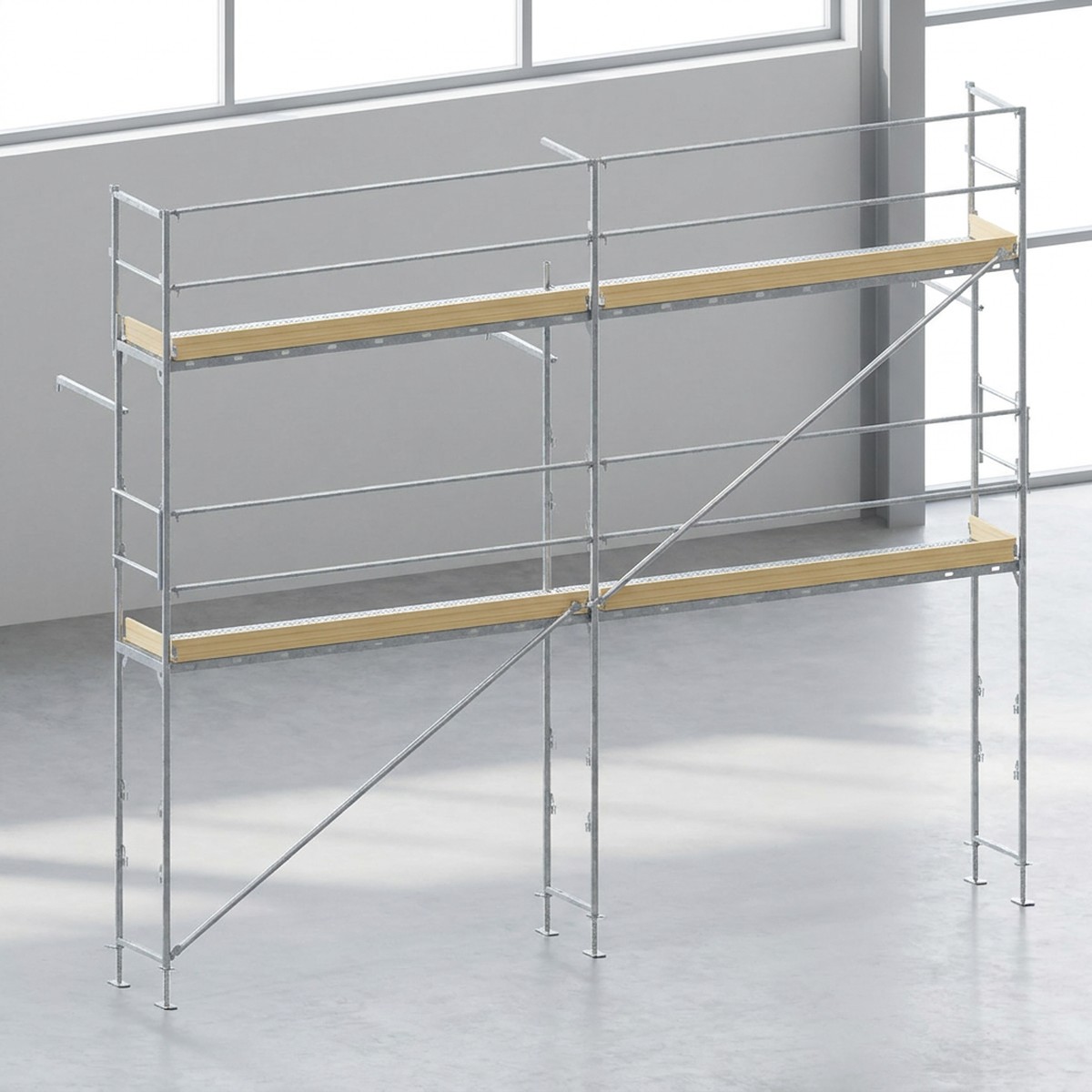 Sample illustration
Sample illustration
Sample illustration
Sample illustration
Sample illustration
Sample illustration
Sample illustration
Sample illustration
Sample illustration
Sample illustration
Sample illustration
Sample illustration
Sample illustration
Sample illustration
Sample illustration
Sample illustration
Sample illustration
Sample illustration
Sample illustration
Sample illustration
Sample illustration
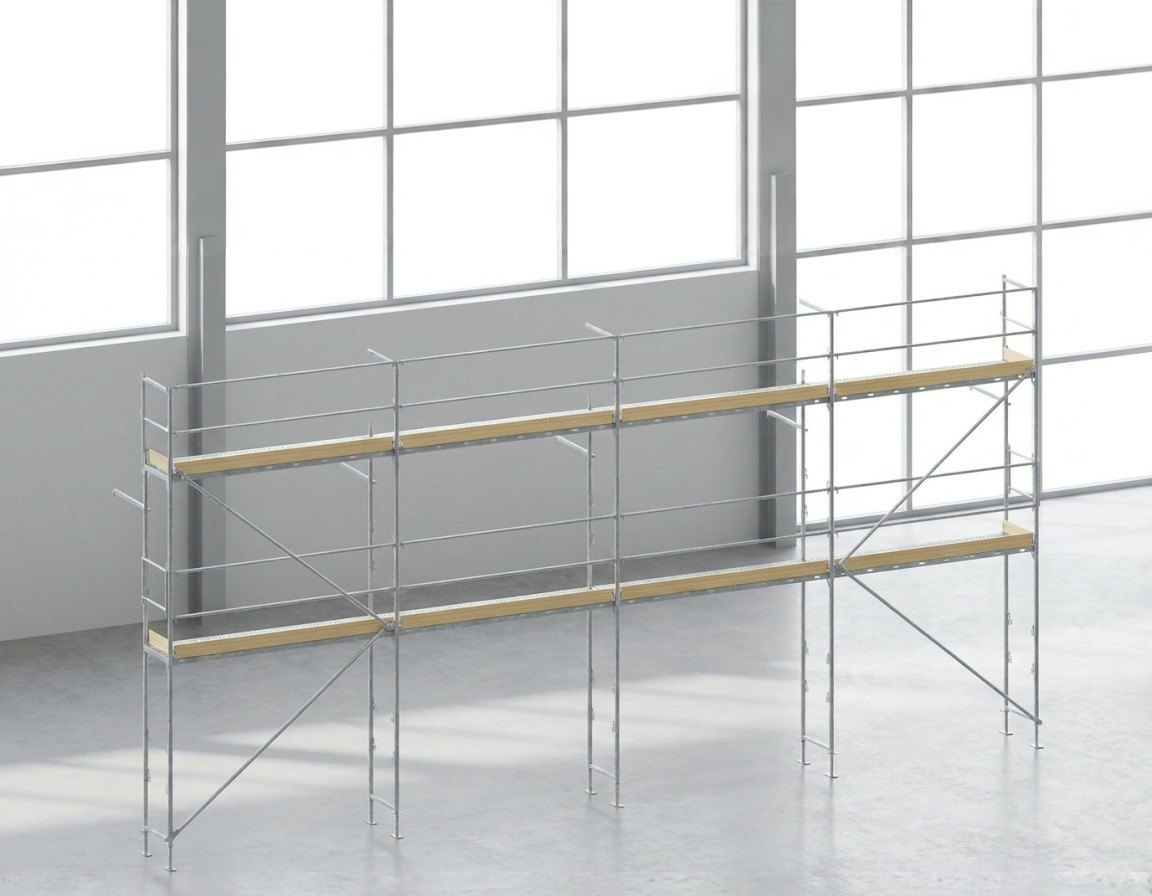 Sample illustration
Sample illustration
Sample illustration
Sample illustration
Sample illustration
Sample illustration
Sample illustration
Sample illustration
Sample illustration
Sample illustration
Sample illustration
Sample illustration
Sample illustration
Aluminium scaffolding – whether fixed aluminium scaffolding or mobile aluminium scaffolding – is among the most flexible and lightweight solutions in the scaffolding industry. Thanks to their low weight, quick assembly and high stability, they are in high demand amongst both professional users and DIY enthusiasts.
This guide explains the advantages, typical dimensions and areas of application, and highlights what buyers should pay particular attention to.
Aluminium facade scaffolding – stationary, ideal for outdoor work
Aluminium mobile scaffolding (rolling scaffolding) – mobile, ideal for changing work positions
Both versions are popular thanks to their ease of use and high level of flexibility.
Good to know: Aluminium decking reduces the scaffolding weight from approx. 20 to approx. 15 kg/m² – work it out for yourself using the scaffolding weight calculator. You can find certified second-hand aluminium systems in our second-hand stock, and mobile versions under ‘Mobile Scaffolding & Rolling Scaffolding’.
Aluminium is particularly popular when items need to be moved or transported frequently.
As aluminium scaffolding has different component sizes depending on the manufacturer, the following applies:
An aluminium mobile scaffold is a mobile version – ideal for dynamic projects.
Whether it’s a system or modular scaffolding:
an accurate cost estimate forms the basis of all material and cost planning.
Mit EasyFlow, dem digitalen Gerüstflächen‑Konfigurator der CETRAC GmbH,
kannst du deine Fläche in nur 3 Schritten berechnen.
Are you planning to carry out work using lightweight aluminium scaffolding? With our EasyFlow scaffolding area calculator, you can work out the scaffolding area required for your project in a matter of seconds – free of charge, with no obligation, and with immediate guidance on materials and prices.
▶ Calculate scaffolding area nowThe maximum working height depends on the specific scaffolding system. Manufacturer’s specifications and safety regulations must always be observed – our guide to scaffolding safety provides an overview of these. If you require further details, please specify the exact model.
Aluminium scaffolding is significantly lighter than steel scaffolding. Its low weight makes it ideal for use as mobile rolling scaffolding. The weight varies depending on the module and platform length. Please specify the exact model for precise details.
Yes. Aluminium is weather-resistant and ideal for outdoor work. Special safety rules apply in the event of wind loads and uneven ground; height-adjustable scaffold feet ensure stability.
As aluminium is very light, the scaffolding can be erected relatively quickly. The actual time taken depends on the size and experience of the team. Our guide, ‘Erecting scaffolding’, shows you how to do this step by step.
Generally not on private land. In public spaces (e.g. pavements), a permit may be required – depending on local regulations. You can find all the relevant information in our guide to scaffolding safety, permits and standards.
Typical components include: frames, diagonal braces, guardrails, platforms, rollers or spindles, toe boards and safety features. The exact scope varies depending on the system.
The ‘Buy vs Rent’ comparison will show you whether buying or renting is more cost-effective for you.
Yes, provided you have instructions on how to erect scaffolding and the necessary expertise. For more complex heights or work in public spaces, it is advisable to use a team of experts.
Check regularly for damage, lubricate moving parts, store components in a dry place and protect them from corrosive chemicals. In our guide, we explain what to look out for when scaffolding parts show signs of wear and tear.
Yes – these include, amongst others, mobile scaffolding, folding scaffolding, modular scaffolding and specialised structures. Each type has its own specific areas of application.
You can find out more about assembly and maximum heights in the guide ‘How to Assemble Scaffolding Correctly’.
Looking for scaffolding? We offer free, no-obligation advice – in German, English, French, Spanish, Russian, Ukrainian, Turkish and Hungarian.